
Colorado’s mountain reputation tells only part of the story. Denver has museums and neighbourhood walks, Colorado Springs puts red sandstone beside the city, and Great Sand Dunes offers sand below mountain peaks. Farther west, Grand Junction introduces a drier world of canyons and open rock.
These are the best places to visit in Colorado for a first trip of 7 to 14 days, grouped into five cities, four nature destinations and two smaller towns. Sample routes and a comparison table help you choose a manageable part of the state.
A mountain crossing needs more thought than a straight line on the map suggests. The routes below separate nearby Front Range stops from longer western journeys, with room for seasonal access and changing weather.
Best Cities to Visit in Colorado
Denver, Boulder and Colorado Springs fit a first visit based around the Front Range. Grand Junction and Durango suit a longer road trip or a separate flight, giving you western canyons and southwestern mountain scenery without pretending they are short Denver day trips.

1. Denver
Denver is a useful first base when you want city time before heading into the mountains. Explore Union Station and Lower Downtown, then choose the Denver Art Museum or the Denver Botanic Gardens for a separate outing.
Allow two days, adding more if museums are a priority. Denver is the starting point for the journeys below, and our guide to the best neighbourhoods in Denver helps you choose accommodation for your evenings as well as your day trips.
2. Colorado Springs
Colorado Springs offers a straightforward introduction to the state’s red-rock scenery. Walk among the formations at Garden of the Gods, then use another part of the day for Old Colorado City. Pikes Peak adds a very different, high-mountain outing, but it needs its own transport and weather planning rather than being treated as a quick extension of the park walk.
Give the area two days. The drive south from Denver takes about an hour and 20 minutes in reasonable traffic, making it an easy first road leg. Garden of the Gods has free public admission, so you can build an unhurried visit around the walking paths; reserve any separately ticketed Pikes Peak transport before assuming that a summit trip will fit your chosen day.
3. Boulder
Boulder combines an outdoor morning with a compact centre for lunch and browsing. Start at Chautauqua for views of the Flatirons, then head to the pedestrian blocks of Pearl Street. Choose a foothill walk that matches your experience and the day’s conditions, leaving the steeper routes for a visit when you have the time and equipment for them.
Allow one or two days. Driving northwest from Denver takes roughly 45 minutes, while RTD’s Flatiron Flyer provides a bus connection between the cities. Boulder works as a day trip or a first overnight stop before the Estes Park side of Rocky Mountain National Park; either way, keep an outdoor morning separate from the onward drive so you can enjoy both without rushing.
4. Grand Junction
Grand Junction is a useful western base for visitors who want canyon scenery with restaurants and a walkable centre at the end of the day. Explore Main Street and its Art on the Corner sculpture displays, then choose a section of the Riverfront Trail. Nearby Colorado National Monument deserves a separate outing, rather than being squeezed between a late arrival and dinner.
Stay two days, including time for the monument. Denver has nonstop flights to Grand Junction, or you can drive west on I-70 in about four hours and 45 minutes before extended stops or delays.
5. Durango
Durango suits travellers who want a small-city base in southwestern Colorado rather than another Front Range stop. Walk along historic Main Avenue, spend time beside the Animas River and consider a ride on the Durango & Silverton Narrow Gauge Railroad. The railway is a substantial excursion, so it works best as the main event of a day rather than a brief sightseeing stop.
Give Durango two days, with a third if you want a full railway day and more local exploring. Nonstop flights from Denver make a separate southwestern stay possible without driving across the state. Check the exact train destination and season before booking: winter excursions can run to Cascade Canyon, so a ticket on the historic railway does not automatically mean a journey all the way to Silverton.
Most Beautiful Places in Colorado for Nature Lovers
Colorado’s outdoor places here include alpine lakes, sand dunes and desert canyons, each with different conditions. Choose your main destination before setting dates: a warm day in Grand Junction says little about whether a high mountain road is open.
6. Rocky Mountain National Park
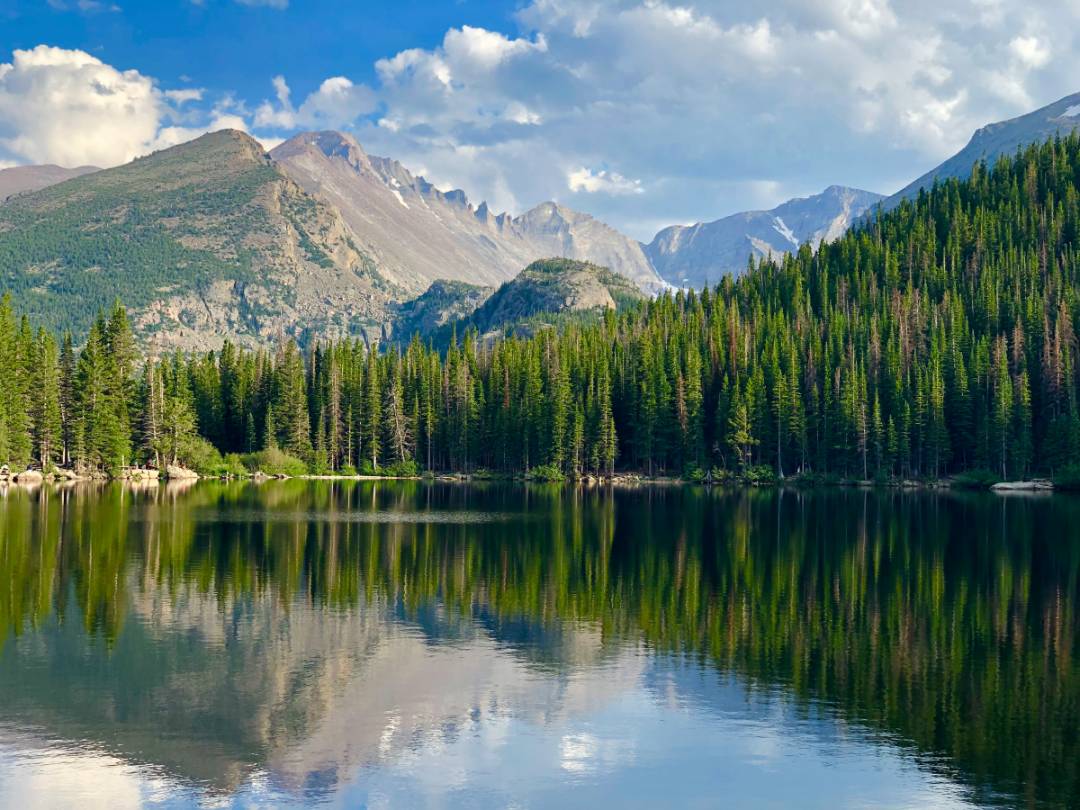
Rocky Mountain National Park is a strong choice for visitors who want lake walks and mountain views without a summit climb. On the eastern side, Bear Lake and Sprague Lake offer different starting points for a day outdoors. Trail Ridge Road adds a high-elevation scenic drive when open, but it is a seasonal option, not a reliable year-round connection through the park.
Allow two days, using Estes Park for access from the Denver side. Peak-season entry can require a timed reservation, with a separate option covering Bear Lake Road, as explained in the park’s entry and reservation information. In 2026 non-US residents aged 16 and older pay an additional fee of about $100 each beyond standard admission unless covered by a qualifying pass, so check both the reservation type and the admission cost before booking the rest of the visit.
7. Great Sand Dunes National Park and Preserve
Great Sand Dunes puts a broad dune field below the Sangre de Cristo Mountains. Walk onto the sand for as long as conditions and energy allow, rather than making the highest visible ridge an obligatory goal. Medano Creek can add a different experience near the dunes when water is flowing, but its presence and depth depend on seasonal conditions.
Set aside one full day, with a night near the park or Alamosa rather than a rushed return to Denver. Spring and autumn are useful planning windows, while summer visitors should keep dune walking to cooler parts of the day because the sand can become extremely hot. Read the Great Sand Dunes conditions report before promising children a creek day or planning equipment rentals, which are not available inside the park.
8. Colorado National Monument
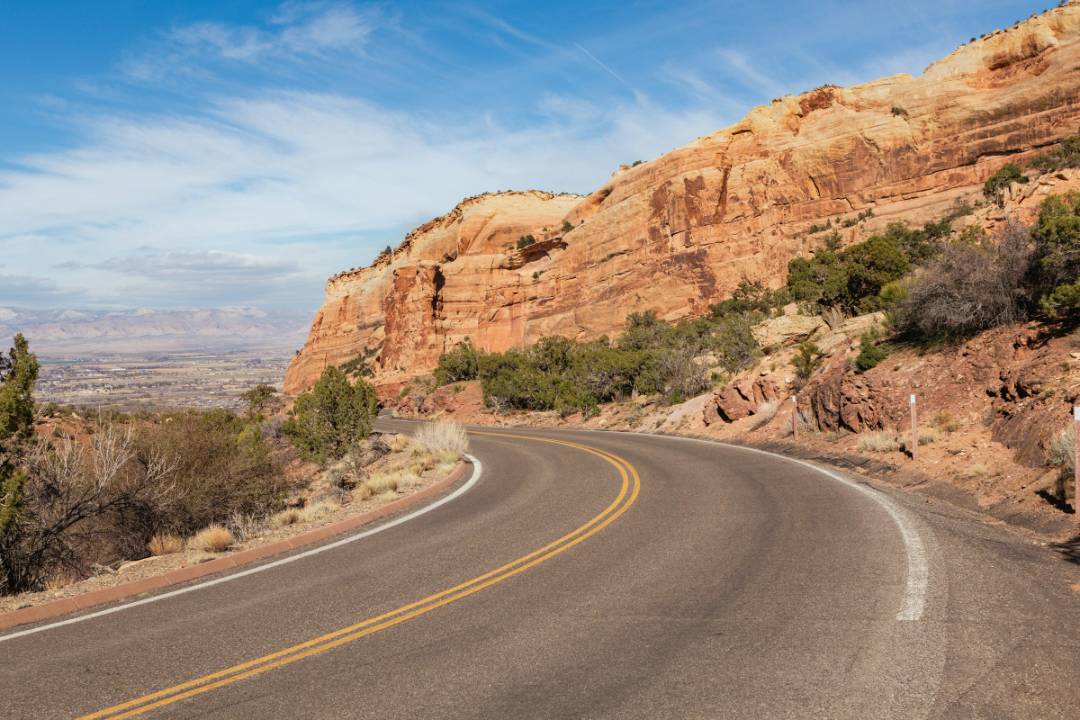
Colorado National Monument offers canyon views with a very different setting from the state’s alpine parks. Follow Rim Rock Drive, a paved scenic road of about 23 miles, and choose a few overlooks rather than trying to stop everywhere. Near Saddlehorn Visitor Center, the Canyon Rim Trail provides a walking option with views towards the rock formations below.
Allow half a day or a full day, staying in Grand Junction or nearby Fruita. From Denver, use the Grand Junction flight or road approach, then continue locally by car. Spring and autumn generally suit desert walks better than hot summer afternoons; even on a scenic drive, check current road conditions and leave time for the curves and viewpoints rather than treating the road’s mileage as a quick travel estimate.
9. Maroon Bells
The Maroon Bells are best approached as a lakeside mountain outing, with the peaks rising behind Maroon Lake. You can enjoy the setting without committing to an ambitious backcountry route. Start with the lake area and choose any additional walk according to conditions, keeping a clear distinction between an ordinary scenic visit and a longer wilderness trip.
Plan one day, normally with a night in the Aspen area, and aim for summer or early autumn access. Denver has nonstop flights to Aspen, while a road trip needs more time and attention to the chosen route. The Maroon Bells reservation guide explains the required shuttle or vehicle arrangements; an early arrival does not automatically remove the need for a parking reservation, and winter access is a different undertaking.
Must See Places in Colorado Beyond the Big Names
Salida and Ouray offer smaller centres where a riverside walk or a waterfall can anchor the day. Salida fits a central or southern Colorado route, while Ouray belongs with a western or southwestern stay rather than a short detour from Denver.
10. Salida
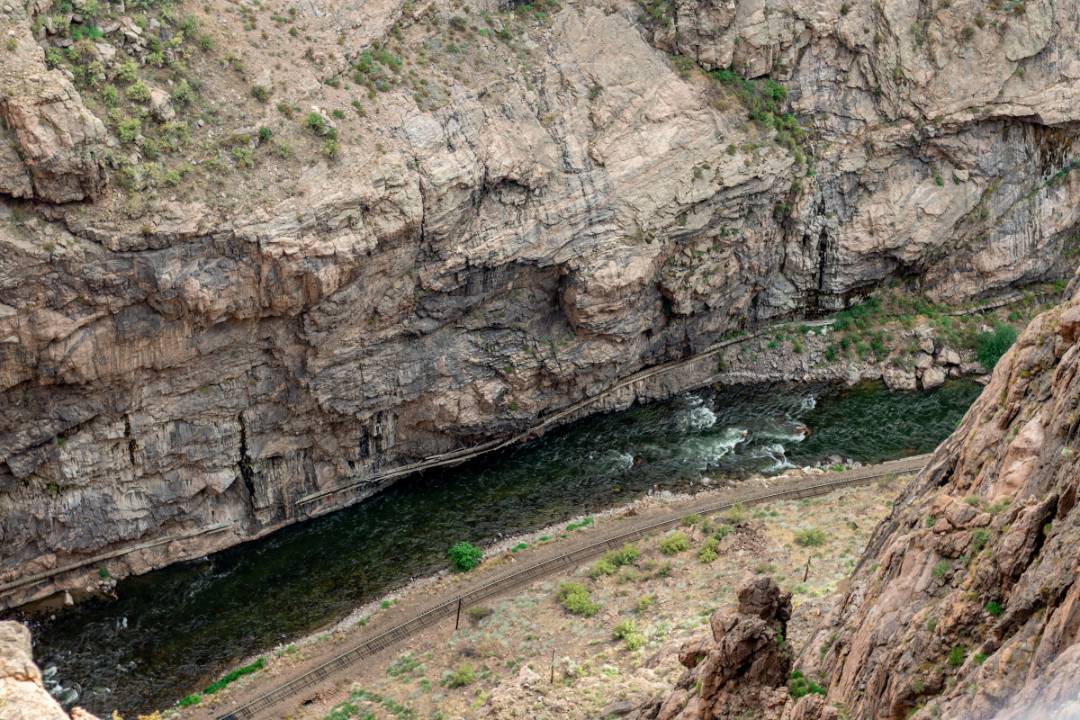
Salida is a good stop when you want an outdoor town with time for galleries and an easy walk. Browse the historic downtown, then head towards the Arkansas River and the riverside paths. The Salida Hot Springs Aquatic Center adds an indoor option, so the day need not depend entirely on another long trail or a rafting excursion.
Allow one or two days. The drive from Denver takes roughly three hours via US 285 and CO 291, making Salida a possible base on a route towards the San Luis Valley and Great Sand Dunes. Keep its role in the itinerary specific: it is a useful central stop, but adding it to an otherwise short Boulder and Estes Park visit sends you in a different direction.
11. Ouray
Ouray offers a compact mountain-town centre surrounded by steep terrain. Visit Box Cañon Falls, walk the main streets and choose a hot-springs visit or a manageable section of a local trail for the rest of the day. The town’s scenery is accessible without booking a technical climbing outing or driving an unfamiliar off-road route.
Stay two days, using a flight from Denver to Montrose followed by a road transfer, or incorporating Ouray into a western road trip. Summer and early autumn are useful starting points for a first walking visit. If you continue towards Durango, check the current road conditions and leave time for mountain driving; a scenic route deserves a daytime travel window instead of a late departure after a full sightseeing day.
How to Plan a Route Between Colorado’s Top Places
With seven days, keep to the Front Range: spend two days in Denver, one in Boulder, two based near Estes Park for Rocky Mountain National Park and two around Colorado Springs. Include the drives within those allocations and choose shorter arrival-day walks. If your flight schedule makes the final transfer tight, remove a city day instead of adding a late mountain drive.
With 10 to 14 days, choose a western route with two days in Denver, two around Aspen for Maroon Bells, two in Grand Junction including Colorado National Monument, two in Ouray and two in Durango. Use extra days for travel buffers, and consider flying home from Durango rather than returning across the state. For a southern alternative, replace the Aspen and Grand Junction leg with Colorado Springs, Great Sand Dunes and Salida instead of trying to cover both routes in full.
If you travel without a car, Denver and Boulder are the simplest pair in this selection thanks to the Flatiron Flyer connection. Use our guide to parks in and around Denver to choose accessible outdoor time, checking each park’s final connection. Regional flights and coaches help with longer distances, but they do not automatically solve the trip from an airport or town to a trailhead.
On checkout days, leaving a Denver hotel at 11:00 can create a long gap before an evening flight or coach. Leave your bags with Qeepl and use those hours for lunch or a final neighbourhood walk. Storage starts from US$7.39 per day, with booking and payment online only. Choose a location whose opening hours cover your planned collection time.
For the best weather, summer and early autumn are practical starting points for a route built around higher mountain access, while spring and autumn can suit the western desert scenery. Snow can affect mountain roads outside those windows, and afternoon storms can change summer walking plans. Check current conditions for each outdoor day instead of assuming that one statewide season works equally well for dunes, cities and alpine lakes.
Colorado Tourist Attractions Compared
For a short first trip, combine Denver with Boulder and Rocky Mountain National Park, adding Colorado Springs if time allows. Choose Grand Junction and the southwestern towns for a longer western route, or the dunes and Salida for a southern alternative. The table compares all 11 places with access from Denver; driving times vary with traffic and weather, and flights still require local transfers.
| Place | Best For | Days Needed | Getting There From Denver | Must See |
|---|---|---|---|---|
| Denver | Museums and neighbourhoods | 2 | Starting point | Union Station, Art Museum |
| Colorado Springs | Red rocks and city outings | 2 | Drive, about 1 h 20 min | Garden of the Gods, Old Colorado City |
| Boulder | Foothill walks and a compact centre | 1-2 | Drive about 45 min, or Flatiron Flyer bus | Chautauqua, Pearl Street |
| Grand Junction | Western base and public art | 2 | Nonstop flight, or drive about 4 h 45 min | Main Street, Riverfront Trail |
| Durango | Historic railways and river walks | 2-3 | Nonstop flight, then local transfer | Main Avenue, historic railroad |
| Rocky Mountain National Park | Alpine lakes and mountain views | 2 | Road journey via Estes Park | Bear Lake, Sprague Lake |
| Great Sand Dunes | Dunes below mountain peaks | 1 | Road journey to San Luis Valley | Dune field, seasonal Medano Creek |
| Colorado National Monument | Desert canyons and scenic driving | 0.5-1 | Fly to Grand Junction, then drive | Rim Rock Drive, Canyon Rim Trail |
| Maroon Bells | Lakeside mountain scenery | 1 | Fly to Aspen, then reserved local transport | Maroon Lake, mountain views |
| Salida | Riverfront and galleries | 1-2 | Drive, about 3 h | Historic downtown, Arkansas River |
| Ouray | Waterfalls and mountain-town walks | 2 | Fly to Montrose, then road transfer | Box Cañon Falls, town centre |