Spain can put a Velázquez painting, a palace courtyard and a Mediterranean cove into the same holiday. Madrid, Barcelona and Granada make a strong first shortlist, while the Costa Brava gives you a reason to slow down. The harder decision is how much of the country to leave for another trip.
These are the best places to visit in Spain for a first trip of 7 to 14 days, grouped into five cities, four nature destinations and two quieter alternatives. Choose a few that suit your interests, then use the routes and comparison table to connect them.
Fast trains make several city combinations straightforward, but mountain valleys and islands need more planning. The suggestions below separate those journeys so your holiday includes time outside stations and airports.
Best Cities to Visit in Spain
Madrid suits museum days, Barcelona combines Gaudí with the sea, and Valencia leaves room for cycling and beach afternoons. Seville and Granada work especially well together if palace architecture and evenings outdoors are your priorities.
1. Madrid
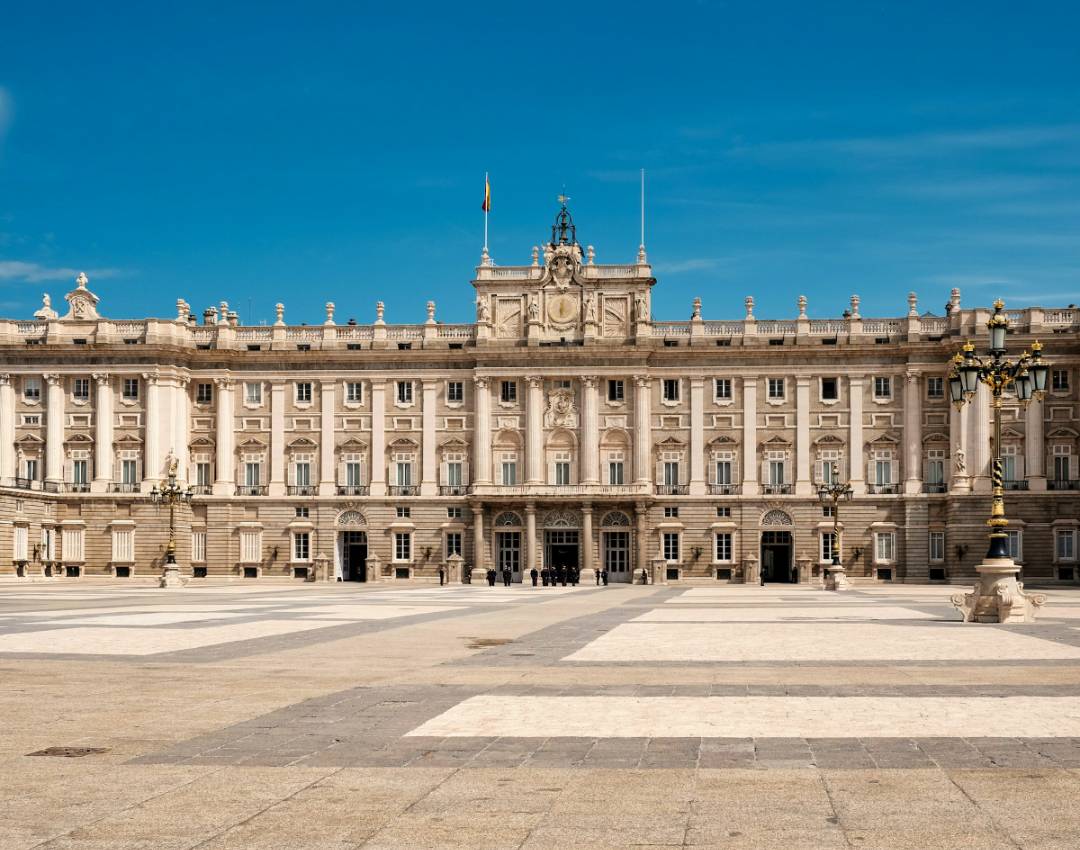
Madrid rewards travellers who like to build a day around one museum and leave the evening open. See Velázquez and Goya at the Prado, walk through El Retiro, then head towards Plaza Mayor and the Royal Palace. The Barrio de las Letras makes a useful pause between the museum district and the older centre, with streets you can explore without a fixed schedule.
Allow three days, especially if art is a main reason for coming. Madrid is the starting point for the rail journeys below, so you can stay here first and avoid an immediate connection after your flight. Reserve major museum visits ahead and keep one afternoon for walking; putting the Prado and the Royal Palace into the same rushed day leaves little room for either.
2. Barcelona
Barcelona is a good choice if you want distinctive architecture without giving up time by the water. The Sagrada Família, Park Güell and the lanes of the Gothic Quarter give you three quite different walks. Use our guide to the most interesting places in Barcelona to choose extra stops rather than trying to visit every Gaudí building.
Give the city three days; direct high-speed trains from Madrid start at about two and a half hours, with slower services also available. In 2026 the basic basilica ticket costs about €26, excluding towers, on the official Sagrada Família ticket page. Book a timed slot and bring photo ID, then leave a separate part of the day for Park Güell instead of arranging back-to-back entries across the city.
3. Seville
Seville is best explored with room for shaded courtyards and a long evening walk. Start with the Real Alcázar, then see the cathedral and its Giralda tower before heading towards Plaza de España. Across the Guadalquivir, Triana offers a change of pace from the concentration of monuments around the cathedral, particularly when you want dinner after sightseeing.
Plan two or three days. Direct high-speed trains from Madrid take about two hours and 40 minutes and arrive at Santa Justa, so Seville is an easy southern starting point without a car. Reserve the Alcázar ahead and put outdoor sightseeing early in the day during hot months; a packed midday itinerary makes this otherwise walkable city much harder work.
4. Granada
Granada deserves an overnight stay even if the Alhambra is your main reason for visiting. Its Nasrid Palaces and Generalife gardens fill a substantial part of a day, while the Albaicín gives you steep lanes and views back towards the complex. The Mirador de San Nicolás is a natural evening stop, though you should expect company around sunset.
Allow two days, and secure the Alhambra booking before fixing the rest of your itinerary. Direct trains from Madrid take roughly three and a half hours, depending on the service. In 2026 general admission costs about €22.27; the Alhambra general visit information explains the included areas and the strict Nasrid Palaces entry time, which is separate from your wider visit to the grounds.
5. Valencia
Valencia fits travellers who want a city break with less time inside monuments. Walk through the old town and Central Market, then follow the Turia Gardens towards the City of Arts and Sciences. Save another part of the day for the beach; the old centre and waterfront are different outings, so grouping nearby sights keeps your plans manageable.
Stay two days, or three if a beach afternoon matters as much as sightseeing. Direct high-speed trains from Madrid take about two hours, arriving at Joaquín Sorolla station. Our guide to the most interesting places in Valencia helps with the cultural stops, while an unhurried lunch gives you time to try the city’s rice dishes without squeezing them between bookings.
Most Beautiful Places in Spain for Nature Lovers
Spain’s coast, northern mountains and Mediterranean islands call for different kinds of trips. Pick one nature region for a short holiday: moving between these four takes time that is usually better spent on a trail or beside the sea.
6. Costa Brava
The Costa Brava, north of Barcelona, is a coast of coves, pine trees and towns where a short walk can become your main activity. Calella de Palafrugell works well for a gentle stay, while Begur gives you access to a different cluster of beaches. Choose a manageable coastal path section rather than treating the whole shoreline as one continuous afternoon walk.
Give it two or three days, using rail to Girona and an onward bus or rental car from Madrid. From Barcelona, this is a more natural extension than a journey across the country to another coast. Late spring and early autumn suit walking; summer offers beach weather but busier accommodation, and you should check the last return bus before setting off along a coastal path.
7. Picos de Europa
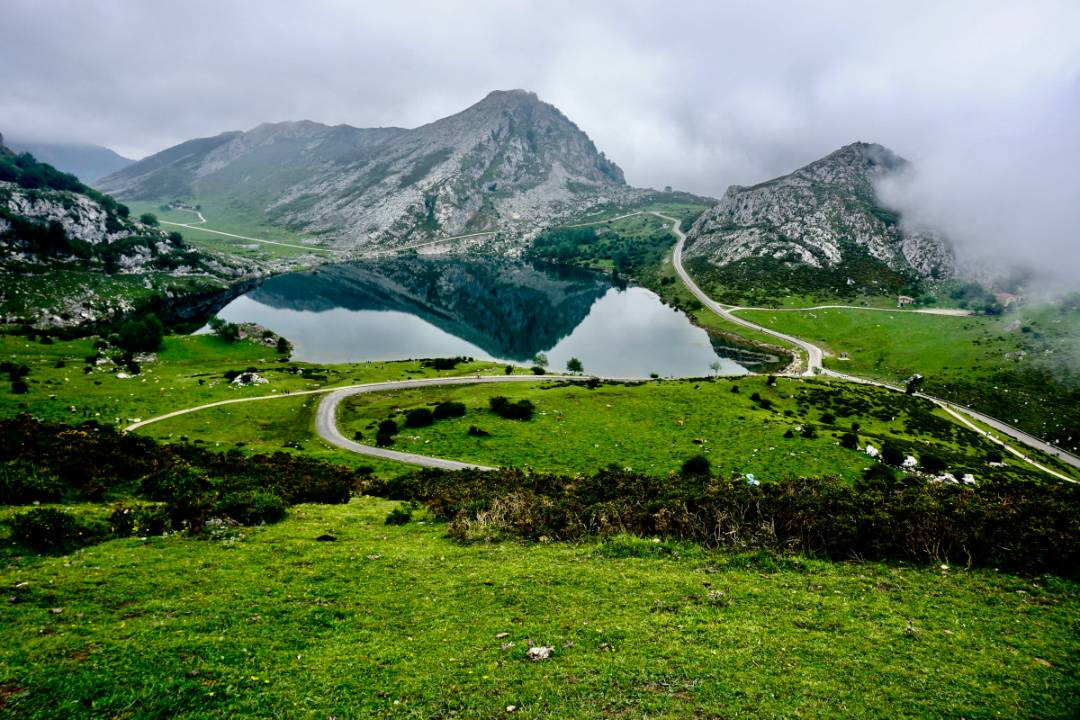
The Picos de Europa bring limestone mountains and green valleys into a first trip without requiring a summit climb. Around the Covadonga Lakes, Enol and Ercina offer a mountain outing with shorter walking options. Base yourself near Cangas de Onís if the lakes are your priority, rather than choosing accommodation on the opposite side of this large park.
Allow three days, including some flexibility for cloud and rain. From Madrid, flying to Asturias and continuing by rental car is a practical way to reach this side of the park. Before driving to the lakes, check the Covadonga Lakes access calendar: on restricted dates, visitors use the designated transport service instead of assuming that private cars can reach the lake parking areas.
8. Ordesa Valley
Ordesa suits visitors who want to spend a full day walking among cliffs and waterfalls. In the Ordesa y Monte Perdido National Park, the valley paths follow the Arazas River, with the Arripas and Estrecho waterfalls among the possible stops. You can choose a shorter walk instead of committing to the longer Cola de Caballo route, particularly when travelling with children or arriving late.
Plan two or three days around Torla, the gateway to the valley. From Madrid, take a train to Zaragoza and continue by rental car; the final mountain approach makes this a separate excursion rather than a quick rail stop. Summer and early autumn are useful planning windows, subject to weather, and peak-period shuttle buses replace private-car access to the Pradera, so check the park’s current transport notice before arriving.
9. Mallorca
Mallorca works best here as an island break built around the Serra de Tramuntana, with time by the sea between walks. Sóller and Deià give you stone streets, mountain slopes and access to the island’s northwestern coast. The historic train from Palma to Sóller is an alternative to driving for one outing, while Port de Sóller adds a sheltered waterfront stop.
Allow three or four days and fly from Madrid to Palma, then use buses, the Sóller train or a rental car according to your base. Spring and autumn suit walking, while summer brings more demand for beaches and accommodation. Keep mountain walks and beach days flexible: a small island still has winding roads, and several village visits can absorb a day you expected to spend swimming.
Must See Places in Spain Beyond the Big Names
Cuenca and Cáceres offer a smaller scale after the major cities, with old quarters best explored on foot. Cuenca fits the Madrid to Valencia rail corridor, while Cáceres is a deliberate western detour rather than a stop on that same route.
10. Cuenca
Cuenca’s Hanging Houses project above the Huécar gorge, so the approach and viewpoints are part of the visit. Cross the San Pablo bridge for a view back towards the old town, then head up to the cathedral and the Museum of Spanish Abstract Art. The combination of cliff edges and modern art makes this a distinct stop after Madrid’s larger museums.
One full day works, though an overnight stay lets you enjoy the lanes after day visitors leave. Direct high-speed trains from Madrid take under an hour, but Fernando Zóbel station is outside town, so allow for an onward bus or taxi. Cuenca also has direct trains to Valencia, making a stop possible if you book the two rail legs separately and leave enough time for the uphill streets.
11. Cáceres
Cáceres has an old quarter where stone palaces and towers sit close together within the historic walls. Begin at Plaza Mayor, pass through the Arco de la Estrella and explore towards the cathedral and Plaza de San Jorge. It suits travellers who enjoy an evening walk through a compact centre more than a schedule of large museums and timed attractions.
Give it one or two days. Direct trains from Madrid take about three and a half hours, so staying overnight makes more sense than spending most of a day on a return journey. Keep your accommodation near the old quarter if you want to explore on foot, and treat Cáceres as an alternative to another city stop; adding it to an already full Barcelona and Andalusia itinerary creates a substantial detour.
How to Plan a Route Between Spain’s Top Places
With seven days, spend three days in Madrid, two in Seville and two in Granada, using trains between the cities. Book the Alhambra first and arrange the southern leg around that date. If possible, fly home from southern Spain so the final day does not become a return journey to Madrid.
With 10 to 14 days, build an eastern route with three days in Madrid, one in Cuenca, two in Valencia, three in Barcelona and two on the Costa Brava. That uses 11 days before extra nights or arrival buffers. If the southern cities are your priority, keep the seven-day route and add time there or a separate Mallorca stay instead of trying to complete both routes.
If you travel without a car, favour the five cities and Cuenca, checking the station on every ticket because Madrid has several departure points. Rent a car only for a mountain or coastal leg where it helps with the final connections. Picos de Europa and Ordesa deserve their own travel days, while Mallorca adds an airport transfer at each end.
On checkout days, an 11:00 checkout can leave a long gap before an evening train from Madrid. Leave your bags with Qeepl and use those hours for a walk or lunch. Storage starts from €3.69 per day, with booking and payment online only. Choose a location whose opening hours cover your planned collection time.
For the best weather, consider April to June or September to October for the city routes, while allowing for different conditions in the mountains. Avoid building a July or August trip around midday walks in Seville and Granada. Our guide to the best time to visit Madrid helps you choose a season for the capital before matching it to your coast or mountain plans.
Spain Tourist Attractions Compared
For a short trip, choose Madrid with Seville and Granada, or pair Barcelona with the Costa Brava. Add Cuenca for a smaller city on an eastern rail route, and give a mountain region or Mallorca several nights instead of a rushed day trip. Compare the 11 places by interest and access from Madrid below; journey times vary by service, and onward road connections need extra time.
| Place | Best For | Days Needed | Getting There From Madrid | Must See |
|---|---|---|---|---|
| Madrid | Art and city walks | 3 | Starting point | Prado, El Retiro |
| Barcelona | Gaudí and the sea | 3 | Direct train, from about 2.5 h | Sagrada Família, Park Güell |
| Seville | Palaces and courtyards | 2-3 | Direct train, about 2 h 40 min | Alcázar, Giralda |
| Granada | Nasrid architecture | 2 | Direct train, about 3.5 h | Alhambra, Albaicín |
| Valencia | Gardens and beach time | 2-3 | Direct train, about 2 h | Turia Gardens, Central Market |
| Costa Brava | Coves and coastal walks | 2-3 | Train to Girona, then bus or car | Calella de Palafrugell, Begur |
| Picos de Europa | Lakes and mountains | 3 | Flight to Asturias, then car | Covadonga Lakes |
| Ordesa Valley | Waterfalls and hiking | 2-3 | Train to Zaragoza, then car | Arazas River, valley waterfalls |
| Mallorca | Island walks and swimming | 3-4 | Direct flight to Palma, then local transport | Tramuntana, Sóller |
| Cuenca | Gorge views and art | 1-2 | Direct train, under 1 h, then bus or taxi | Hanging Houses, San Pablo bridge |
| Cáceres | Medieval streets | 1-2 | Direct train, about 3.5 h | Arco de la Estrella, old quarter |