
China can put palace courtyards, a panda morning and a river between limestone peaks into the same holiday. Beijing, Shanghai and Chengdu make a strong first shortlist, while the Li River offers a slower southern stay. Choosing a few regions gives each place more time than trying to connect every famous sight.
These are the best places to visit in China for a first trip of 7 to 14 days, grouped into five cities, four nature destinations and two smaller towns. Sample routes and a comparison table help you decide which combinations fit your time.
Fast trains connect many cities, but a station bearing a destination’s name can still be a substantial road journey from the sights. Plan those final connections alongside museum reservations, leaving room for meals and neighbourhood walks between the main visits.
Best Cities to Visit in China
Beijing offers imperial buildings and a Great Wall outing, while Shanghai combines riverfront architecture with museum days. Xi’an centres on archaeological history, Chengdu makes room for pandas and tea, and Shenzhen provides a southern alternative with parks and contemporary design.
1. Beijing
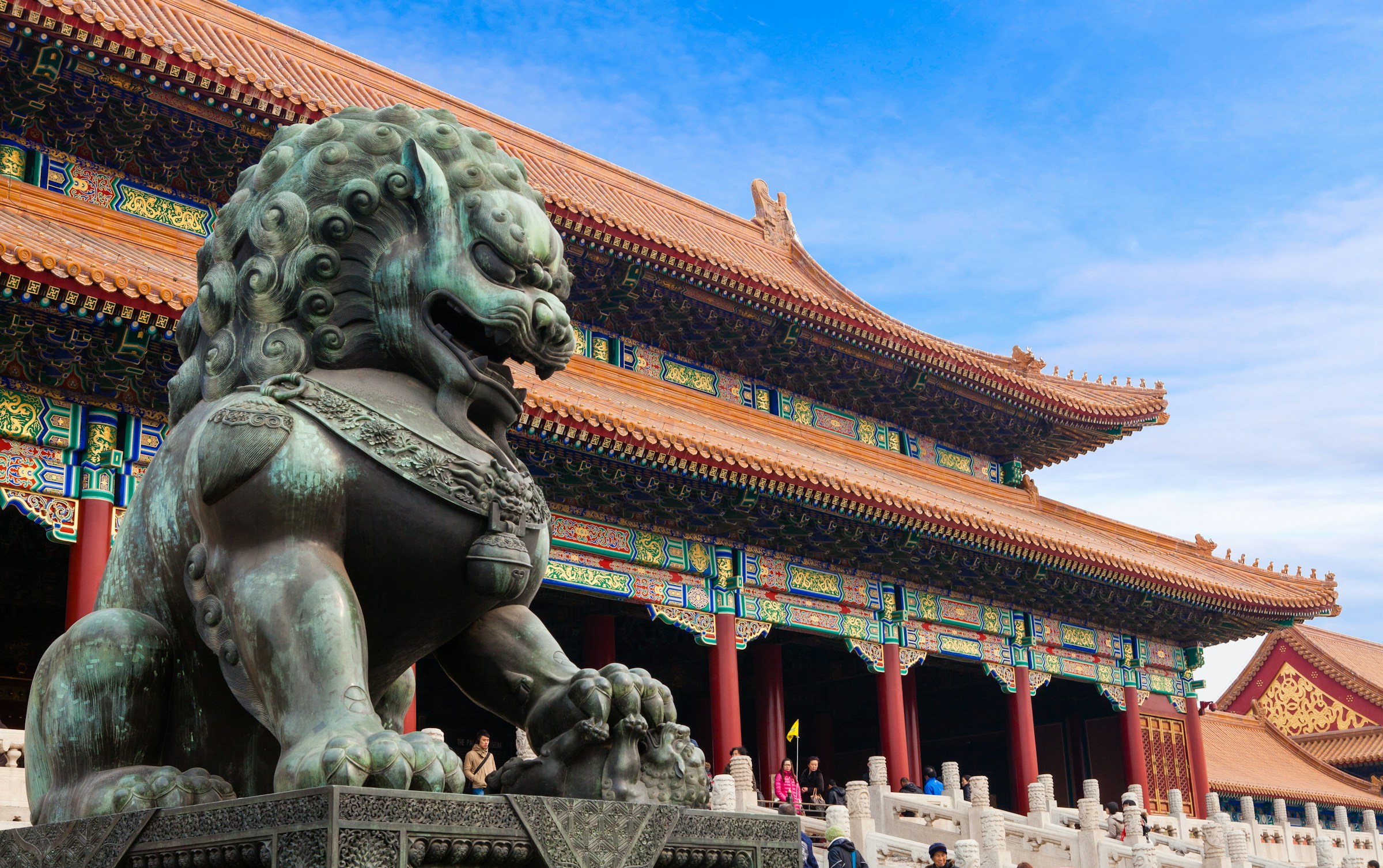
Beijing rewards a stay with separate days for its major sites. Explore the Forbidden City, visit the Temple of Heaven and reserve another day for the Great Wall at Mutianyu. The wall is outside the central sightseeing area, so give its journey and stairways their own place in the schedule.
Allow three or four days, flying from Shenzhen if you begin in the south. The Palace Museum visitor information explains advance reservations, passport details and the usual Monday closure. Our guide to a layover in Beijing helps with airport planning; check whether your flights use Capital or Daxing, since they require different journeys into the city.
2. Shanghai
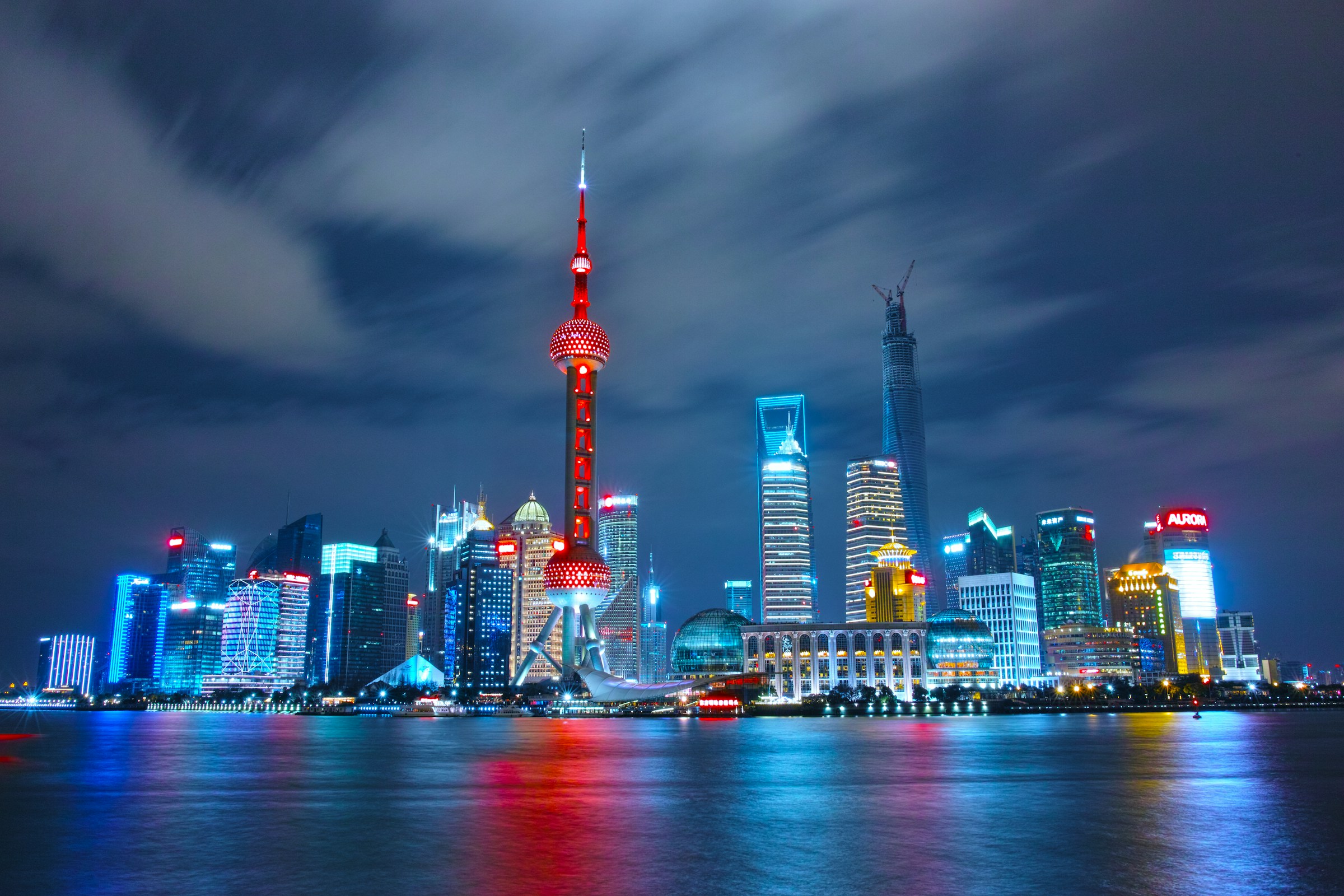
Shanghai suits travellers who enjoy seeing a city through its waterfront and streets. Walk the Bund, give Yu Garden and the surrounding old-city area another part of the day, then choose a Shanghai Museum collection. The Huangpu’s two banks offer different views, with time needed to cross between them rather than treating every skyline stop as one continuous walk.
Stay three days, flying from Shenzhen or taking a high-speed train when it fits the wider route. Distinguish the Shanghai Museum on People’s Square from its East branch before navigating or checking tickets. The People’s Square location normally closes on Mondays; ordinary individual visits generally need no reservation, but peak periods and popular special exhibitions can still require booking.
3. Xi’an
Xi’an suits visitors who want a substantial archaeological outing alongside an old-city stay. Give the Terracotta Army its own excursion, then explore a section of the city wall and the streets around the Bell Tower on another day. Seeing the warrior pits carefully is more rewarding than fitting them between a morning arrival and an early afternoon train.
Plan two or three days, flying from Shenzhen or continuing by rail from Beijing. In 2026 standard adult admission to the mausoleum museum is about CNY120, with advance booking and the original identity document required. Check which museum areas your ticket covers and arrange the return from Lintong; the Terracotta Army is outside central Xi’an, so a hotel beside the city wall does not put it within walking distance.
4. Chengdu
Chengdu works well for a stay that combines one major outing with slower city afternoons. Visit the Chengdu Research Base of Giant Panda Breeding, then leave another day for People’s Park and the Wenshu Monastery area. A tea stop and a Sichuan meal deserve time of their own, especially after an early start at the panda base.
Give Chengdu two or three days, flying from Shenzhen or using rail from Xi’an on a northern route. Book the panda base’s appropriate morning or afternoon entry session and bring the original document used for the reservation. Check the airport name when booking flights, since Tianfu and Shuangliu have different city connections; any Jiuzhaigou extension needs additional nights beyond the Chengdu stay.
5. Shenzhen
Shenzhen offers a different city experience from palace halls and archaeological museums. Walk Lianhua Hill Park for views towards Futian, explore the creative spaces around OCT LOFT and choose a separate waterfront outing. The city stretches across a large area, so group each day geographically instead of repeatedly travelling between distant districts.
Allow two days, using Shenzhen as a southern arrival or departure point. Our guide to Shenzhen beaches helps with a coastal extension, which needs additional travel time beyond a central city walk. Check whether your onward train leaves Shenzhen North, Futian or another station before choosing accommodation or arranging a final museum visit.
Most Beautiful Places in China for Nature Lovers
China’s outdoor choices here include sandstone towers, forest lakes, granite mountains and a limestone river valley. Each needs its own base and transport plan; choose one main nature destination for a short first trip, with enough time to respond to weather.
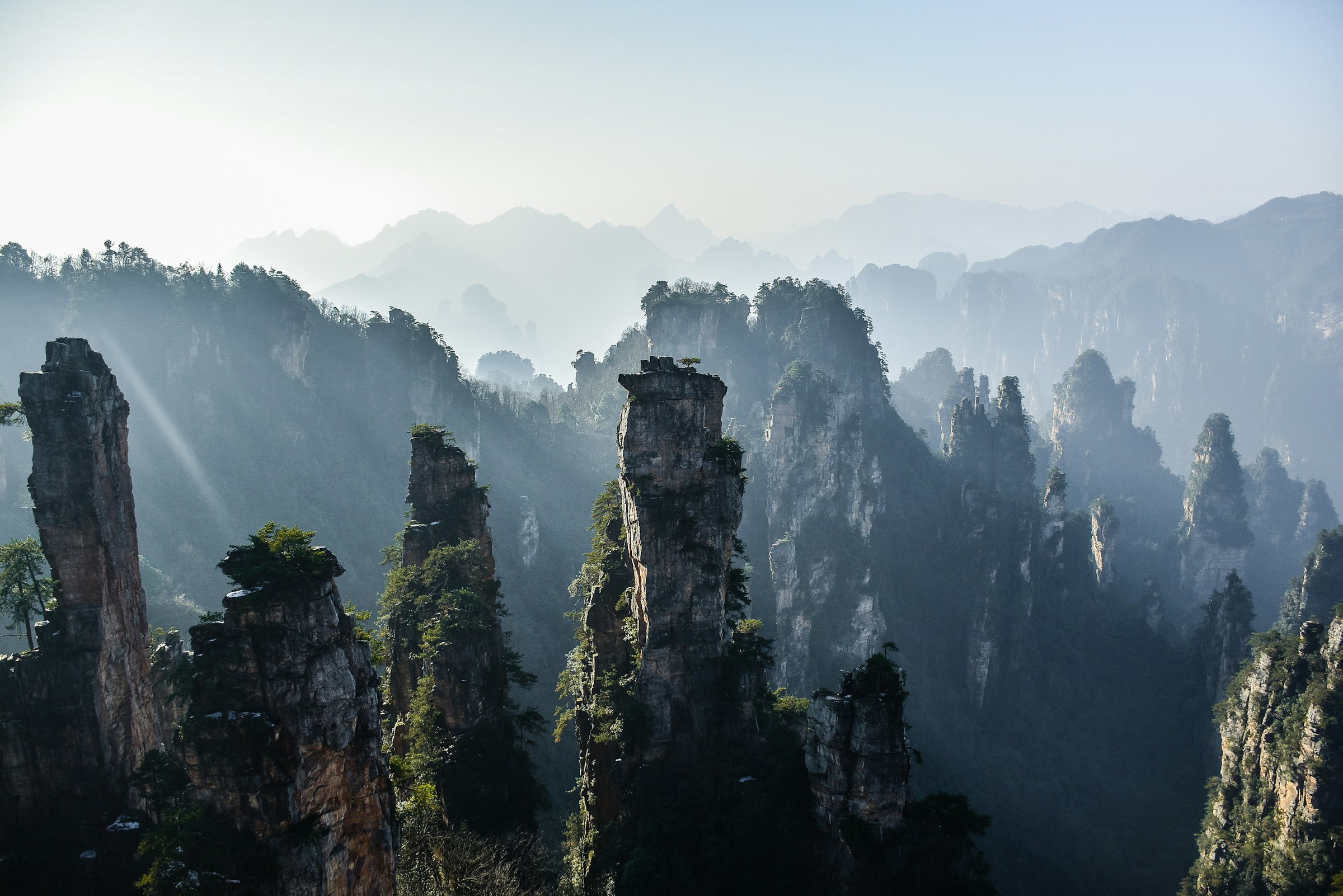
6. Zhangjiajie and Wulingyuan
Wulingyuan is the choice for forested valleys and tall sandstone pillars around Zhangjiajie. Begin with the viewpoints of Yuanjiajie and Tianzi Mountain, choosing a route that combines walking with the park’s transport. Tianmen Mountain is a different excursion outside this forest-park circuit, so it needs separate time and tickets if you add it.
Stay two or three days, reaching Zhangjiajie by air or rail and continuing by road to a suitable Wulingyuan base. Spring and autumn are useful planning windows, though rain and mist can affect visibility. Check which gates, internal buses, cableways and lifts your chosen ticket includes, then organise each day around one coherent route rather than crossing the entire scenic area between consecutive bookings.
7. Jiuzhaigou Valley
Jiuzhaigou suits visitors who want lake colours and waterfalls along managed visitor routes. Choose Five Flower Lake and Nuorilang Waterfall among the stops, using the scenic buses and open walking sections to shape the day. The valley is a mountain destination, so keep your pace comfortable and leave longer walks dependent on conditions.
Allow one full park day within a two or three-night regional stay, travelling from Shenzhen through Chengdu, then by train to Huanglongjiuzhai and onward by road. Autumn suits lake-and-forest views, while winter has a different operating pattern. The official Jiuzhaigou ticket information requires real-name reservations and lists park admission separately from sightseeing-bus charges; a train arrival does not place you at the park entrance.
8. Mount Huangshan
Mount Huangshan offers granite peaks and pines growing above steep slopes. Choose a manageable marked route towards the Greeting Guest Pine and nearby viewpoints, allowing for stairs even when using a cableway. Cloud can reveal and hide the mountains throughout the day, so an overnight stay gives you more flexibility than a single tightly timed summit visit.
Give the area two or three days, reaching Huangshan North by rail and continuing by road towards Tangkou and the mountain access points. From Shenzhen, compare the full rail journey with flight connections rather than choosing by the city name alone. Spring or autumn can suit a first visit; check peak closures, weather and cableway operations before booking, since access to individual summits changes and a mountain hotel requires a different arrival plan from one in town.
9. Li River
The Li River suits travellers who want time among limestone peaks without making a mountain climb essential. Choose a river journey between the Guilin and Yangshuo areas, or base yourself near Xingping for a different stretch of river scenery. Select the actual cruise or shore outing first, because the departure piers are not interchangeable.
Stay two or three days, travelling by train from Shenzhen to the Guilin area and arranging the onward road connection. Spring and autumn are useful starting points, with rain and river conditions still affecting plans. Check your boat’s departure point and where it finishes before booking accommodation; a one-way cruise needs a return transfer or a planned change of base, while a town walk offers an alternative when sailings change.
Must See Places in China Beyond the Big Names
Pingyao offers a walled-town stay in Shanxi, while Tongli adds canals and a garden near Suzhou. Choose Pingyao for a deliberate northern extension and Tongli for a smaller-scale addition to a Shanghai visit, keeping both separate from distant southern nature routes.
10. Pingyao
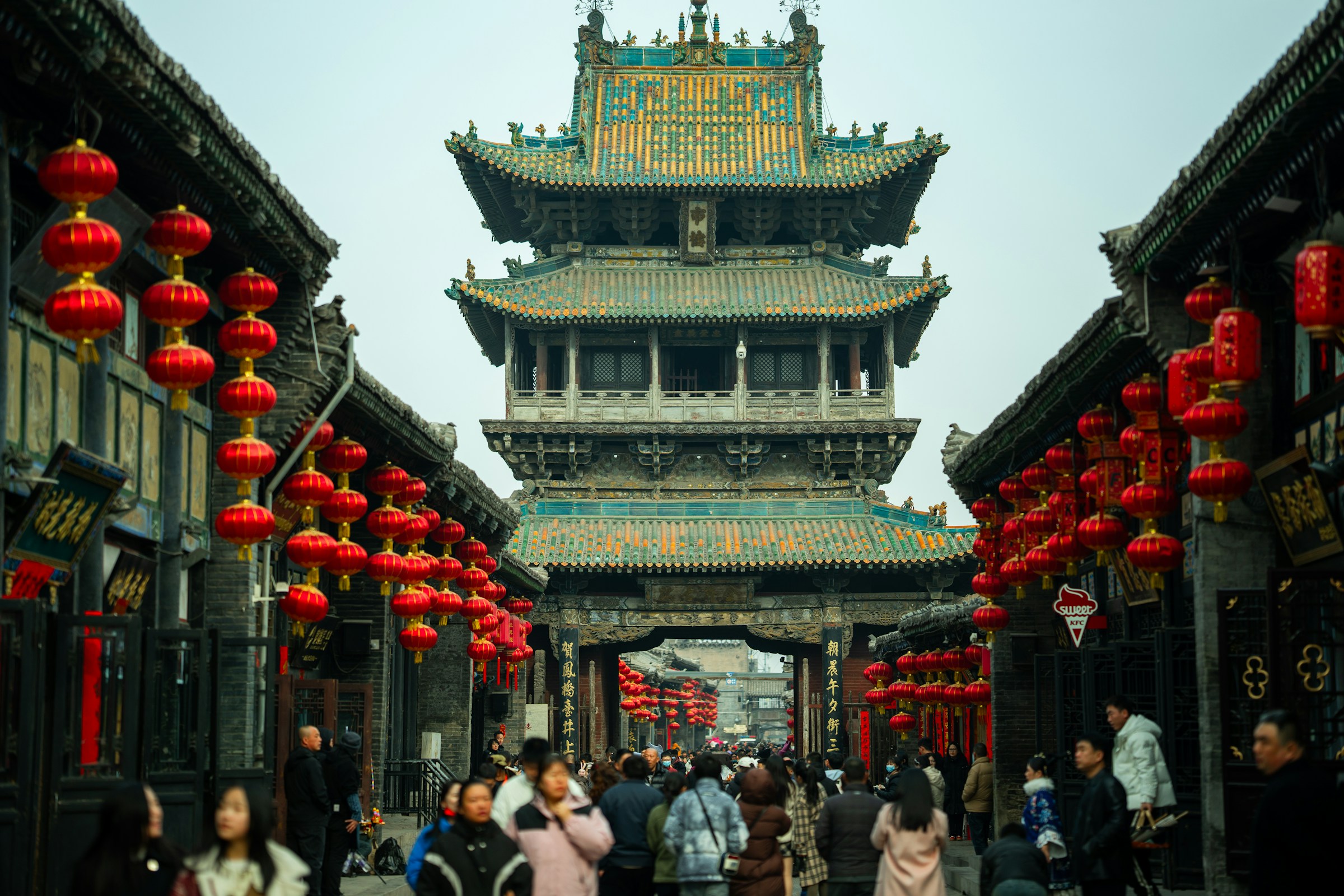
Pingyao rewards visitors who give its streets time beyond a short excursion. Explore the old city wall, choose the Rishengchang banking museum and leave another part of the day for lanes and courtyards. The former banking buildings help explain the town’s commercial role, while an overnight stay leaves time for dinner inside the historic centre.
Allow one or two days, reaching the region from Shenzhen through Taiyuan by air, then continuing by rail or road. On a northern itinerary, compare rail connections from Beijing and onward to Xi’an before choosing the order. Distinguish Pingyao Gucheng high-speed station from other local stations, and check which interiors and wall sections your admission covers instead of assuming every doorway belongs to one ticket.
11. Tongli
Tongli suits travellers who would happily spend a day walking beside canals and stopping at small bridges. Give the Retreat and Reflection Garden, also called Tuisi Garden, a substantial part of the visit, then explore the surrounding lanes. The garden is a separate destination within the town, so leave room to see it rather than spending the whole outing beside the busiest canal photographs.
Plan one day, or stay overnight for a slower evening. From Shenzhen, reach Shanghai by air and continue towards Suzhou, arranging the final local connection to Tongli; from a Shanghai base, this becomes a regional outing. Metro Line 4 serves the Tongli area, but check the remaining connection to the historic centre before treating the station as the entrance to the canals.
How to Plan a Route Between China’s Top Places
With seven days, spend three days in Beijing and three in Shanghai, leaving the remaining day for the main journey and departure arrangements. Compare a direct high-speed train with flights, including station or airport transfers in the decision. Keep the Great Wall on its own Beijing day and book the Palace Museum before filling the remaining hours with neighbourhood walks.
With 10 to 14 days, add two or three days in Xi’an to those city stays, using rail from Beijing and comparing the onward train with a flight to Shanghai. Towards 14 days, add Tongli and keep the remaining time for transfers. With ten days, shorten one city stay or omit Tongli; if mountains matter more, replace Xi’an with Huangshan and give the mountain journey its own days.
If you prefer southern scenery, start with two days in Shenzhen and three around Guilin, Yangshuo or Xingping, allowing separate time for the rail and road journeys. This combination suits a shorter holiday without adding Beijing. For a longer nature-focused trip, choose either Wulingyuan or Chengdu with Jiuzhaigou as the next regional leg, checking the complete connections before committing to flights and hotels.
If you travel independently, set up your rail booking account before tickets for your dates become available. The China Railway passport and ticketing guidance explains real-name booking and the identity document needed for travel. Match passport details across reservations, keep Chinese hotel addresses available and confirm each station name; museum and park reservations remain separate from the rail ticket.
On checkout days, leaving a Shenzhen hotel at 11:00 can create a long gap before an evening train or flight. Leave your bags with Qeepl and use those hours for lunch or a final neighbourhood walk. Storage starts from ¥36 per day, with booking and payment online only; choose a location whose hours cover your planned collection time.
For the best weather, consider April to May or September to October as starting points, then adjust for your chosen mountain or southern river region. National holidays can bring heavy demand, so check the year’s holiday calendar before fixing train journeys and major museum days. Summer heat and rain affect several routes, while winter needs a different mountain plan rather than the same walks with a warmer coat.
China Tourist Attractions Compared
For a short first trip, pair Beijing with Shanghai and keep the Great Wall within the Beijing stay. Choose Shenzhen and the Li River for a southern alternative, or give one mountain region its own additional nights. The table compares all 11 places using Shenzhen as the starting point; flights may require connections, and local transfers need time beyond the main journey.
| Place | Best For | Days Needed | Getting There From Shenzhen | Must See |
|---|---|---|---|---|
| Beijing | Imperial buildings and a wall outing | 3-4 | Fly to Beijing | Forbidden City, Temple of Heaven, Mutianyu |
| Shanghai | Riverfront architecture and museums | 3 | Fly, or high-speed train | Bund, Yu Garden, Shanghai Museum |
| Xi’an | Archaeology and city walls | 2-3 | Fly to Xi’an | Terracotta Army, city wall, Bell Tower |
| Chengdu | Pandas, tea and Sichuan food | 2-3 | Fly to Chengdu | Panda base, People’s Park, Wenshu area |
| Shenzhen | Parks and contemporary design | 2 | Starting point | Lianhua Hill Park, OCT LOFT |
| Zhangjiajie and Wulingyuan | Sandstone pillars and forest views | 2-3 | Air or rail to Zhangjiajie, then road | Yuanjiajie, Tianzi Mountain |
| Jiuzhaigou Valley | Lakes and waterfalls | 2-3 nights | Fly to Chengdu, then train and road | Five Flower Lake, Nuorilang Waterfall |
| Mount Huangshan | Granite peaks and mountain pines | 2-3 | Rail to Huangshan North, then road | Greeting Guest Pine, mountain viewpoints |
| Li River | Limestone scenery and river journeys | 2-3 | Train to Guilin, then local transfer | River scenery, Yangshuo, Xingping |
| Pingyao | Walled streets and banking history | 1-2 | Fly to Taiyuan, then rail or road | Old city wall, Rishengchang |
| Tongli | Canals and a classical garden | 1 | Fly to Shanghai, then regional transport | Tuisi Garden, canal bridges |