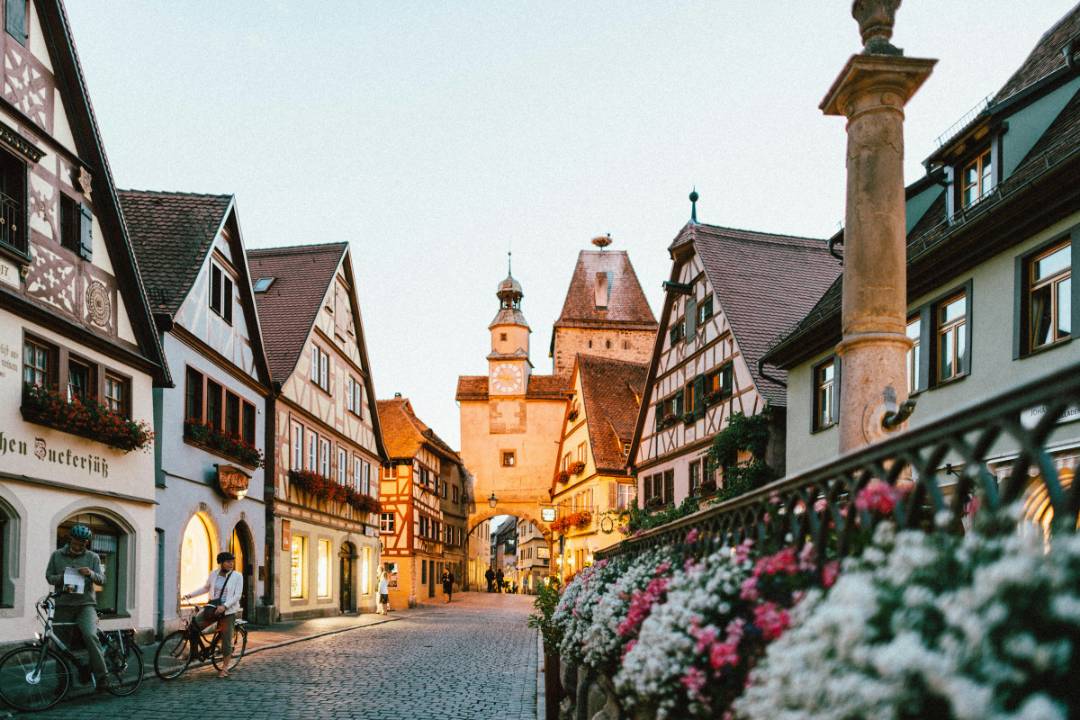

Germany can put a harbour walk, a sandstone bridge and an Alpine lake on the same holiday, but they belong to different regional routes. Berlin, Dresden and Munich make a useful first shortlist, while Hamburg offers a northern alternative. Choosing a few connected stops leaves time for the places between the main stations.
These are the best places to visit in Germany for a first trip of 7 to 14 days, grouped into five cities, four nature destinations and two smaller towns. Sample routes and a comparison table help you decide which combinations fit your time.
Most of these places work by train with local connections. Plan the final bus, ferry or walk as carefully as the main rail journey, particularly when a lake crossing or rural service determines your return.
Best Cities to Visit in Germany
Berlin suits neighbourhood days and museums, Munich pairs markets with parks, and Hamburg puts the waterfront at the centre of a visit. Cologne makes a western base beside the Rhine, while Dresden combines a compact historic centre with access to Saxon Switzerland.
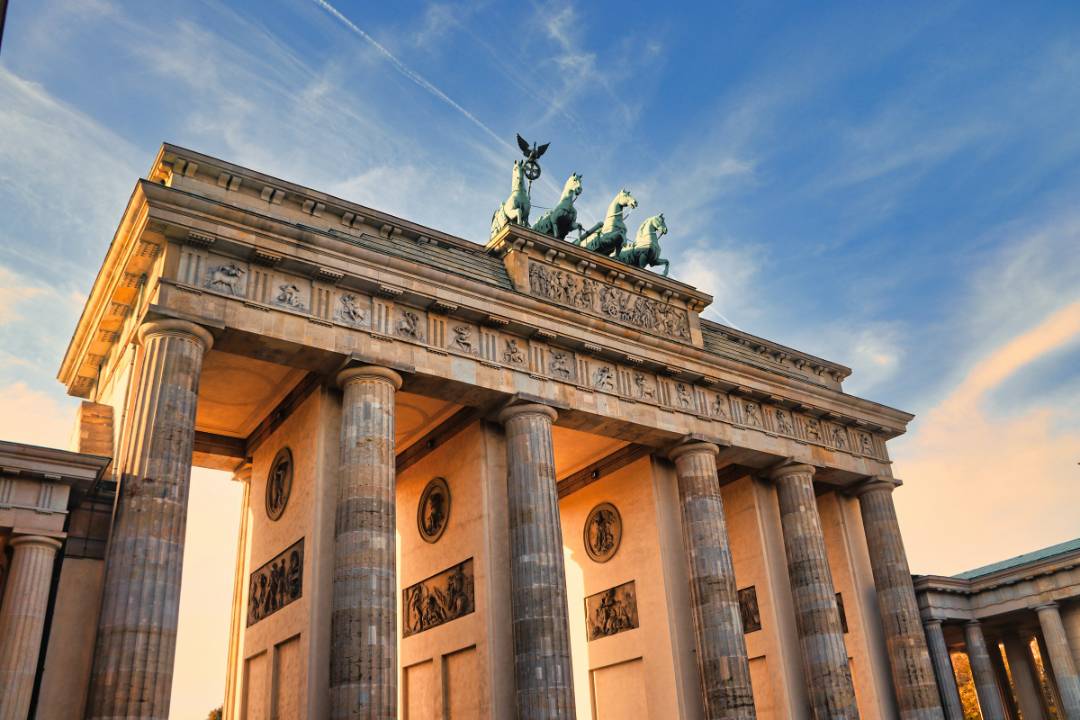
1. Berlin
Berlin rewards a stay built around areas rather than repeated trips across the capital. Start with the Brandenburg Gate and Unter den Linden, then give Museum Island a separate part of the schedule. Choose a collection that interests you, leaving time for neighbourhood cafés and streets beyond the central monuments.
Allow three or four days, using Berlin as the starting point for the routes below. Our guide to the best neighbourhoods in Berlin helps with choosing a base. Check individual museum calendars before booking: the Pergamon Museum remains closed in November 2026, with a partial reopening announced for June 2027, while the Neues Museum provides another substantial Museum Island visit.
2. Munich
Munich suits travellers who like a city day with a market meal and a long park walk. Begin at Marienplatz, explore the food stalls around Viktualienmarkt and save time for the Englischer Garten. These stops give a first visit a manageable shape without adding a distant castle excursion to every available morning.
Stay two or three days. Direct trains from Berlin take about five hours in the checked November 2026 timetable, depending on the service. Our guide to restaurants in Munich helps you plan dinner, and an overnight stay in the Berchtesgaden area is worth considering if Königssee is a priority rather than an outing you want to rush from the city.
3. Hamburg
Hamburg is a good choice for visitors who enjoy seeing a city through its waterways. Walk the brick warehouse streets of the Speicherstadt, continue towards HafenCity and view the Elbphilharmonie from the waterfront. A harbour outing adds a different perspective, but leave time for walking rather than arranging the entire day around consecutive boat departures.
Give Hamburg two days, arriving on a direct train from Berlin in about two hours. Our guide to the most beautiful streets in Hamburg helps you build a walking day around more than a single landmark. If you want an Elbphilharmonie concert, choose a performance and ticket separately from a waterfront visit; seeing the building does not include entry to a performance.
4. Cologne
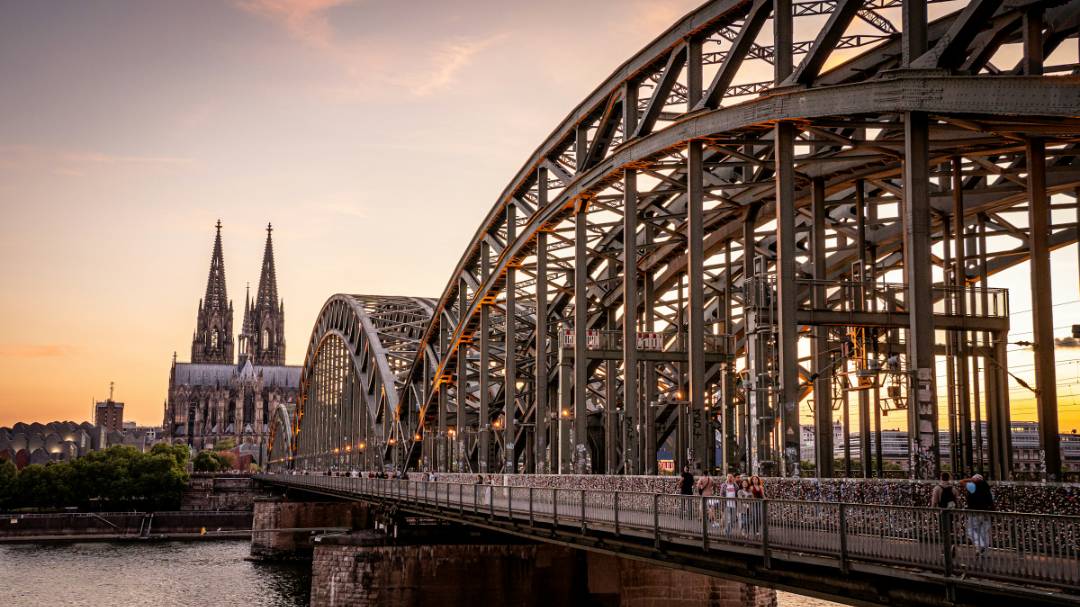
Cologne works well for travellers who want art and a city stay beside the Rhine. Start at Cologne Cathedral, choose Museum Ludwig for modern art and walk through the old town towards the river. The cathedral stands beside the main station, so arrival can lead into a central walk without another long transfer.
Plan two days. Direct trains from Berlin take roughly five and a half hours on the checked November 2026 services. Consult the cathedral’s official visiting arrangements: sightseeing admission has required a paid ticket since July 2026, and visiting hours differ from worship access. Check the date’s arrangements before fixing the order of your museum and cathedral visits.
5. Dresden
Dresden suits visitors who want a walkable historic centre with a substantial art collection nearby. Explore the Frauenkirche, follow Brühl’s Terrace beside the Elbe and choose a collection at the Royal Palace. Leave another part of the day for the riverbank instead of moving continuously between interiors.
Allow two days, plus a day for Saxon Switzerland if you want the sandstone viewpoints. Direct trains from Berlin take roughly two hours, making Dresden a practical second base after the capital. Check palace collection tickets and opening days before setting your visit, and keep the outdoor excursion on a flexible date so you can respond to weather or trail changes.
Most Beautiful Places in Germany for Nature Lovers
Germany’s outdoor stops here include sandstone cliffs, an Alpine lake, forest lakes and a river valley lined with castles. Choose one that fits your city route: Saxon Switzerland belongs with Dresden, while Königssee needs a southern stay and the Black Forest is a separate southwestern leg.
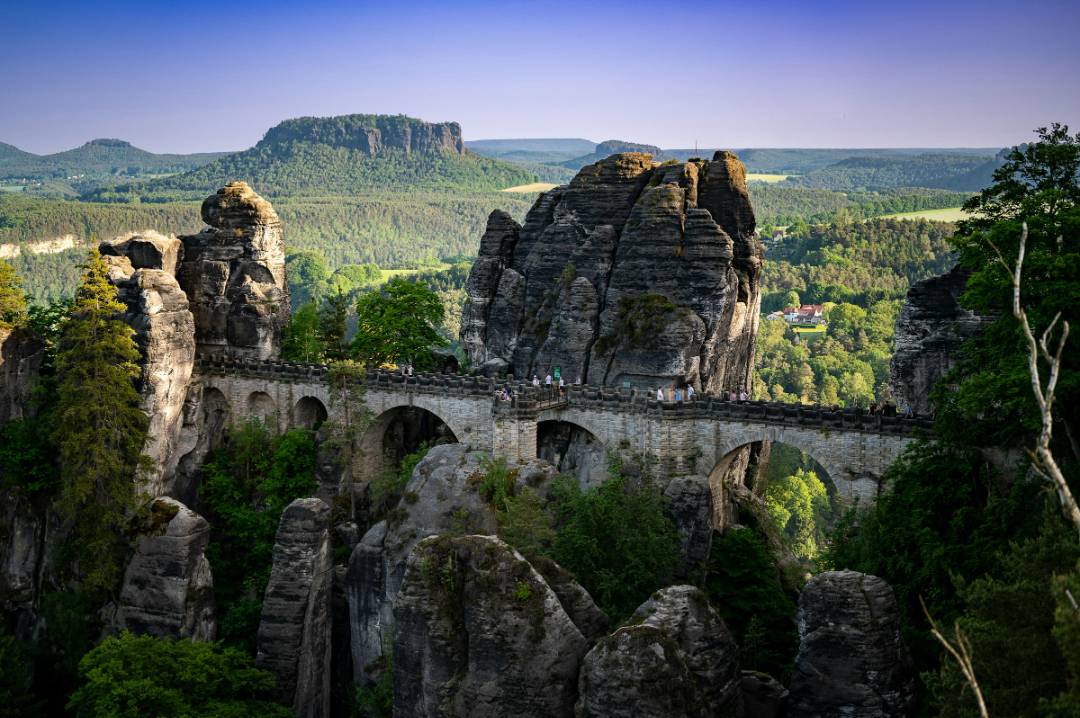
6. Saxon Switzerland
Saxon Switzerland offers a first walking trip among sandstone towers above the Elbe. Begin with the Bastei Bridge and nearby viewpoints, choosing a marked route that matches your walking ability. The bridge and panoramic views are enough for a rewarding outing without committing to a full stage of the longer Malerweg trail.
Set aside one day from Dresden, travelling by S-Bahn to Kurort Rathen, then taking the ferry and walking uphill, or choosing a bus connection towards Bastei. Late spring to early autumn is a useful planning window. The regional access updates distinguish open viewpoints from closed sites: Neurathen Rock Castle is closed in November 2026, while the Bastei Bridge remains accessible; check the current marked-route diversions before walking.
7. Königssee
Königssee suits visitors who want mountain scenery without planning a demanding summit hike. Take a passenger boat to St. Bartholomä or choose the marked Malerwinkel walk near the northern shore for a different view. Do not plan to follow the lakeshore all the way to the church: there is no continuous easy shore path connecting it with the departure pier.
Allow one full day, preferably during a two-night stay around Berchtesgaden or Schönau am Königssee. From Berlin, take the train south, then connect through Berchtesgaden to a local bus for the lake. Summer and early autumn suit a first visit; the Königssee boat operator’s timetable also lists winter services, but weather can interrupt sailings, so check the final return and keep any onward departure well clear of it.
8. Black Forest
The Black Forest works best as a chosen area rather than a promise to cover the whole region. Base a first stay around Titisee and Schluchsee, combining lakeside paths with forest walks. A short section of shore trail leaves room for lunch and a village stop, while a longer walk deserves its own day rather than the hours left after arriving.
Stay two or three days, reaching Freiburg by train from Berlin and continuing on regional services towards the lakes. Titisee and Schluchsee have rail access, but check the distance from your chosen accommodation to the station before booking. Late spring through early autumn suits the walking plan described here; winter needs a different selection of maintained routes and activities, not an assumption that every summer path remains suitable.
9. Upper Middle Rhine Valley
The Upper Middle Rhine Valley suits travellers who like scenery with a town base and a railway nearby. Stay around Boppard or St. Goar, walk the riverfront and choose a boat journey through the castle-lined valley. The Loreley section adds another reason to explore, but decide which bank and landing place you need before joining separate activities into one day.
Give the valley two days, travelling from Berlin towards Koblenz and continuing by regional train; Cologne is a natural city pairing farther north. Late spring to early autumn offers a broader choice of sailings. Winter services are more limited and can depend on minimum passenger numbers, so check the operator’s actual departure dates and use rail for the return if it suits your chosen boat journey.
Must See Places in Germany Beyond the Big Names
Rothenburg ob der Tauber and Quedlinburg are established visitor towns, with a smaller scale than the cities above. Rothenburg fits a Franconian extension on a southern trip, while Quedlinburg offers a separate Harz foothills stay from Berlin; neither needs to become a hurried stop between distant regions.
10. Rothenburg ob der Tauber
Rothenburg ob der Tauber suits visitors who want time to wander within a walled town. Walk to Plönlein, explore the market square and follow an accessible section of the town wall. Staying for the evening gives these streets a different pace after excursion groups leave, with time for dinner rather than a final rush back to a coach.
Allow one or two days, reaching the town from Berlin through mainline and regional rail connections, usually with a final change at Steinach. Search for the full destination name, Rothenburg ob der Tauber, when planning transport. Keep this as a deliberate southern extension and check the return connections before deciding it can fit into a short afternoon away from a larger city.
11. Quedlinburg
Quedlinburg rewards a stay built around its timber houses and hilltop abbey complex. Explore the market square, walk the old-town lanes and give Stiftsberg its own part of the day. The collegiate church and castle museum provide a substantial indoor visit, while the hillside setting means the walk above town needs more time than the map distance suggests.
Give it one or two days, checking rail connections from Berlin; direct Harz Berlin Express trains run on selected days, with other journeys requiring changes. The castle museum reopened in October 2026 after renovation, despite older tourism pages still describing it as closed. Check the current Stiftsberg calendar before booking, and choose an overnight stay if you want both the complex and a slower town walk.
How to Plan a Route Between Germany’s Top Places
With seven days, spend three days in Berlin and three based in Dresden, using one Dresden day for Saxon Switzerland. Leave the remaining day for transfers and departure arrangements, and keep the outdoor date flexible. Hamburg can replace Dresden for a northern city trip, while Quedlinburg offers a smaller-town alternative if you would rather stay closer to a compact historic centre.
With 10 to 14 days, extend the eastern route south instead of adding every region. Combine three days in Berlin, two in Dresden, one for Saxon Switzerland and three in Munich, then add two nights around Königssee towards the longer end. Keep the balance for transfers; Rothenburg can replace the lake stay, while Cologne with the Upper Middle Rhine makes a western alternative and the Black Forest needs its own additional days.
If you travel by train, check the full journey before buying a regional pass. The Deutschland Ticket generally covers local and regional public transport, not the ICE, IC or EC journeys that connect many of these cities. Book the appropriate long-distance tickets separately, allow room for changes and check whether a rural bus or ferry has a different fare rather than assuming one pass includes every stage.
On checkout days, leaving a Berlin hotel at 11:00 can create a long gap before an evening train or flight. Leave your bags with Qeepl and use those hours for lunch or a final neighbourhood walk. Storage starts from €5 per day, with booking and payment online only. Choose a location whose opening hours cover your planned collection time.
For the best weather, consider May to September for a first trip combining city walks, river journeys and lake visits. Mountain conditions still need their own check, and a warm day in Berlin says little about a trail in the Alps. October can suit a quieter city route, while winter needs plans matched to shorter daylight, maintained walking paths and the actual boat timetable.
Germany Tourist Attractions Compared
For a short first trip, pair Berlin with Dresden and a Saxon Switzerland day, or choose Hamburg for a northern city stay. For more time outdoors, select Königssee, the Rhine or the Black Forest according to your onward route. The table compares all 11 places using Berlin as the starting point; approximate train times describe the main service and exclude local transfers.
| Place | Best For | Days Needed | Getting There From Berlin | Must See |
|---|---|---|---|---|
| Berlin | Museums and neighbourhoods | 3-4 | Starting point | Brandenburg Gate, Museum Island |
| Munich | Markets and park walks | 2-3 | Direct train, about 5 h | Marienplatz, Viktualienmarkt |
| Hamburg | Waterfront and warehouse streets | 2 | Direct train, about 2 h | Speicherstadt, HafenCity |
| Cologne | Cathedral and modern art | 2 | Direct train, about 5.5 h | Cathedral, Museum Ludwig |
| Dresden | Historic centre and collections | 2 | Direct train, about 2 h | Frauenkirche, Royal Palace |
| Saxon Switzerland | Sandstone bridges and viewpoints | 1 | Train to Dresden, then local transport | Bastei Bridge, Elbe views |
| Königssee | Alpine water and boat trips | 1-2 | Train south to Berchtesgaden, then bus | St. Bartholomä, Malerwinkel |
| Black Forest | Forest paths and lakes | 2-3 | Train to Freiburg, then regional rail | Titisee, Schluchsee |
| Upper Middle Rhine Valley | River scenery and town bases | 2 | Train towards Koblenz, then regional rail | Boppard, St. Goar, Loreley section |
| Rothenburg ob der Tauber | Walled town and evening walks | 1-2 | Rail connections, usually via Steinach | Plönlein, market square, town wall |
| Quedlinburg | Timber houses and abbey history | 1-2 | Train, direct on selected days | Old town, Stiftsberg |