
Mexico can put a museum morning, a market lunch and a mountain view into the same day. Mexico City, Oaxaca and Mérida make a strong first shortlist, while Bacalar offers a slower stay beside freshwater. Choosing a few regions matters more than collecting the longest possible list of stops.
These are the best places to visit in Mexico for a first trip of 7 to 14 days, grouped into five cities, four nature destinations and two smaller towns. Sample routes and a comparison table help you decide which combinations suit your time.
Some journeys work by intercity bus, while others justify a domestic flight. The routes below keep those differences visible so a short holiday does not become a series of full travel days.
Best Cities to Visit in Mexico
Mexico City suits museum and neighbourhood days, Oaxaca puts markets and regional cooking within a compact centre, and Mérida works as a Yucatán base. Guanajuato and Guadalajara offer a western alternative, with hillside streets in one and murals and broad city squares in the other.
1. Mexico City
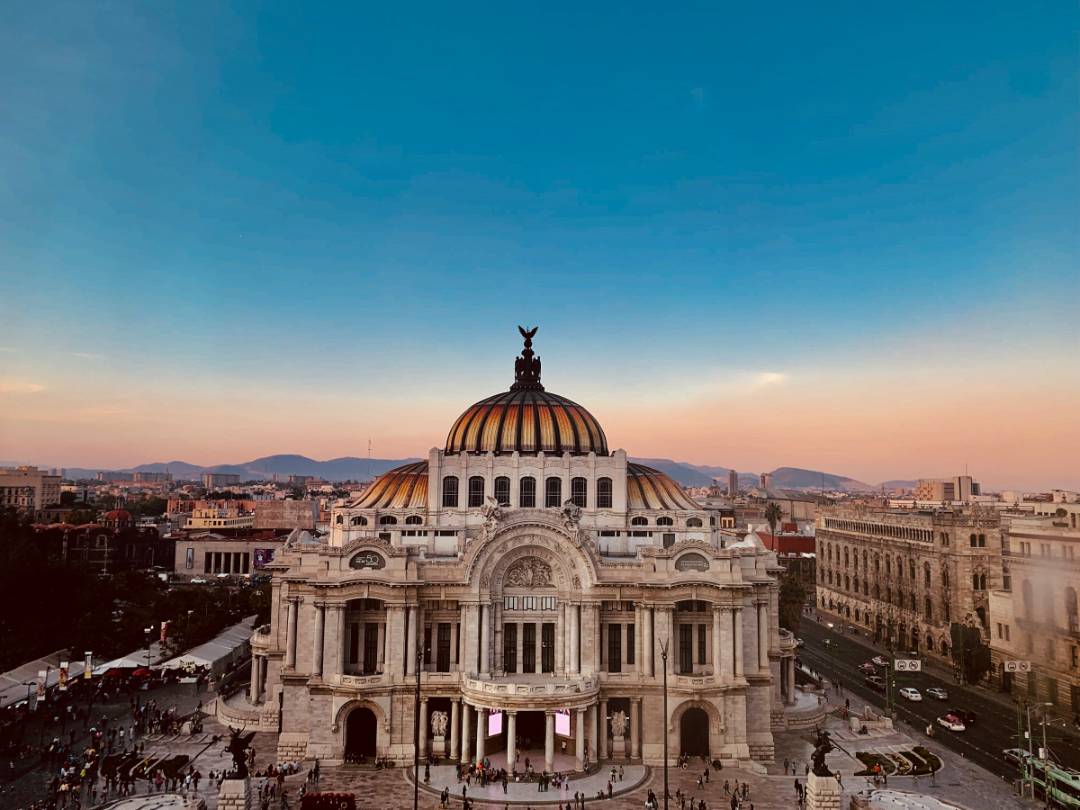
Mexico City rewards a stay built around a few neighbourhoods rather than repeated trips across the capital. Explore the Zócalo and historic centre, then give a separate day to Chapultepec and the National Museum of Anthropology. Museum collections and park walks need time of their own, especially if you also want to stop for food without watching the clock.
Allow three or four days, using the capital as the starting point for the journeys below. Our guide to the best neighbourhoods in Mexico City helps with choosing a base. If you add Teotihuacán, reserve a separate outing: in 2026 admission is about MX$210 for foreign visitors and MX$105 for Mexican citizens and residents, and the Pyramid of the Sun is not open for climbing.
2. Oaxaca
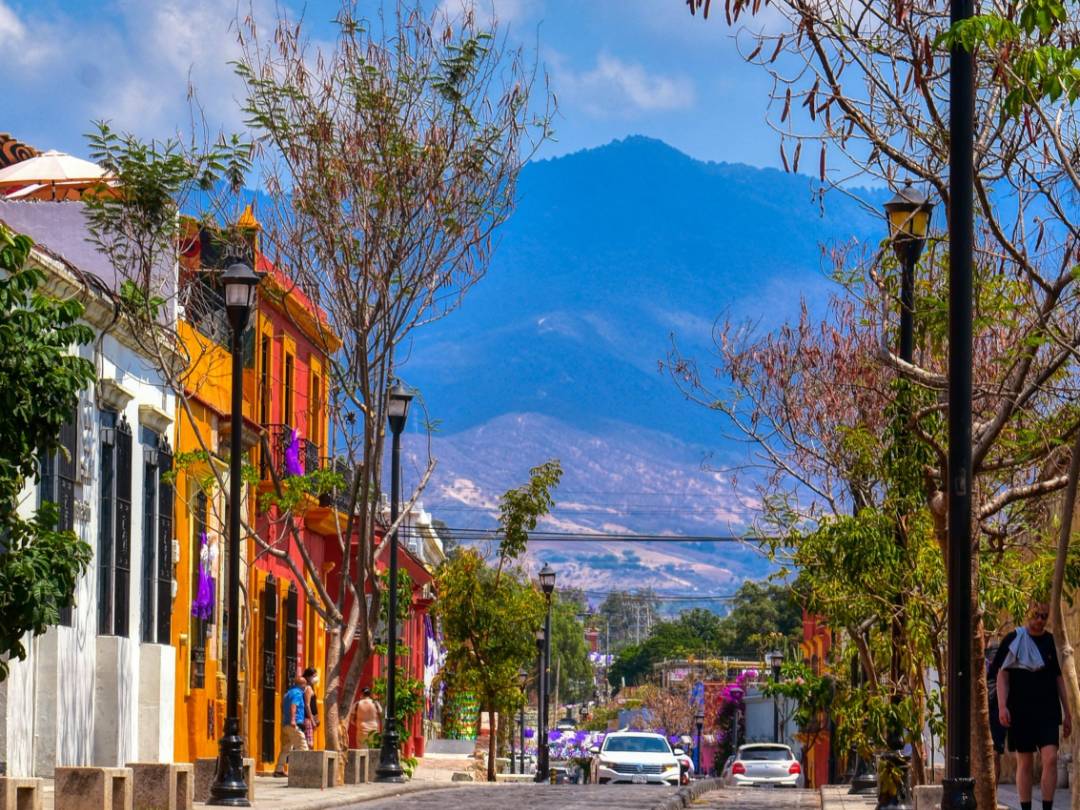
Oaxaca suits travellers who would happily build a day around breakfast, a market and a long walk. Start around Santo Domingo, follow the streets towards the Zócalo and explore the Benito Juárez Market. Monte Albán adds a substantial archaeological outing outside the centre, so it deserves its own part of the schedule rather than a hurried stop between meals.
Give Oaxaca three days, with another day if you want Hierve el Agua as well as the city and Monte Albán. You can fly from Mexico City or take a direct bus, typically around six to eight hours depending on the service and terminal. Our guide to the most interesting places in Oaxaca helps narrow the choices, and staying centrally makes an early market breakfast much easier.
3. Mérida
Mérida is a useful base for visitors who want a city stay alongside Yucatán’s archaeological sites and smaller towns. Begin at Plaza Grande and the cathedral, then choose another walk along Paseo de Montejo. Keep afternoons flexible: a museum, lunch or shaded pause often fits the climate better than trying to walk continuously through the hottest part of the day.
Stay two or three days, adding time for excursions rather than counting them as part of a single city day. Flights from Mexico City make Mérida a practical starting point for a peninsula leg after the central highlands. Choose accommodation according to your walking plans, since a hotel with a Mérida address can still be well away from the historic centre and require daily road transfers.
4. Guanajuato
Guanajuato suits visitors who like to explore a city through lanes, steps and changing views. Start near Teatro Juárez, walk through the central squares and choose the Alhóndiga de Granaditas for a museum visit. The hillside setting is part of the appeal, but it also means that a short distance on a map can involve a steep climb.
Allow two days, including an evening in the centre. From Mexico City, fly to Bajío airport and continue by road, or choose an intercity bus and allow a substantial travel day. Check the exact location of your accommodation before booking: a central base with straightforward access can be more useful than a hillside room that adds several stairways every time you return.
5. Guadalajara
Guadalajara is a good choice for travellers interested in murals, city architecture and Jalisco’s food. Visit Museo Cabañas for José Clemente Orozco’s work, then explore the cathedral area and Teatro Degollado. A meal around the Plaza de las Nueve Esquinas gives you a reason to see another part of the centre rather than spending the whole visit beside one square.
Plan two or three days. Flights connect Mexico City and Guadalajara, while a western itinerary can pair the city with Guanajuato using road transport between them. Check museum opening days before setting the order of your visit, and leave an evening free for dinner instead of automatically adding a distant excursion to an already full first stay.
Most Beautiful Places in Mexico for Nature Lovers
Mexico’s outdoor stops here range from mineral formations to a canyon, a freshwater lagoon and a Caribbean island. Choose one that fits your city base, since crossing between these regions can take longer than the time you intend to spend outside.
6. Hierve el Agua
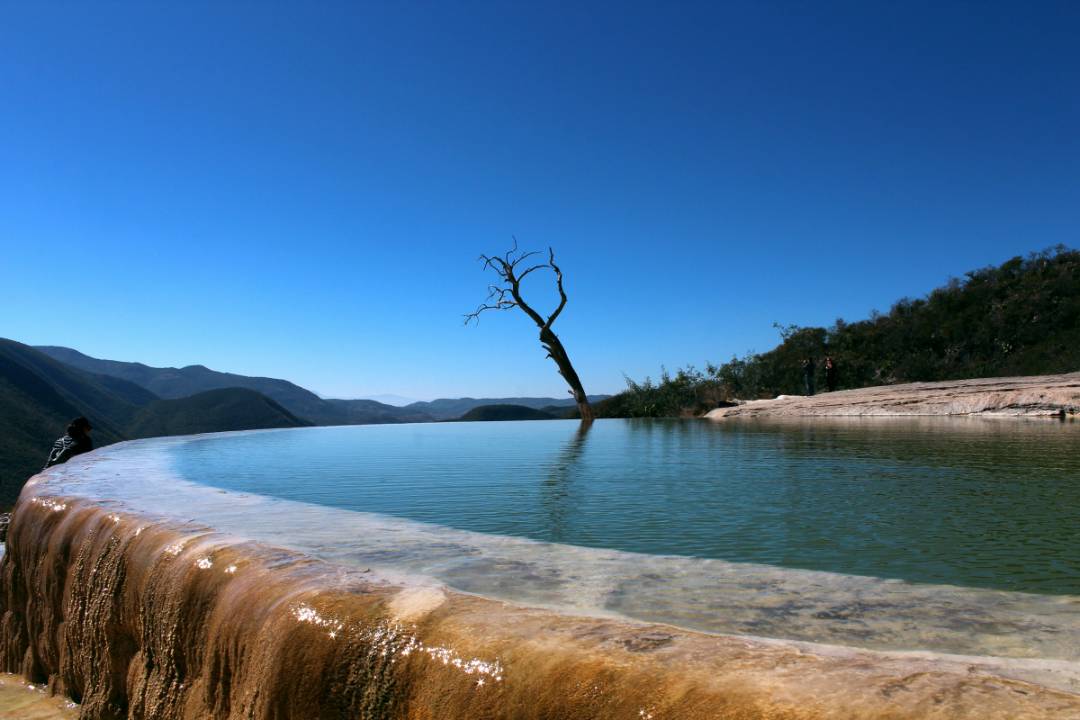
Hierve el Agua looks like a waterfall from a distance, but the cascades are mineral formations created by spring water. Pools above the valley and paths around the formations make this a different outing from Oaxaca’s museums and markets. Come for the rock formations and the mountain setting, rather than expecting a hot waterfall or a conventional swimming resort.
Set aside one day from Oaxaca, arranging transport for the final rural stretch as well as the outward journey. The national tourism description of Hierve el Agua explains the springs and mineral cascades. Choose a clear morning where possible, check local access arrangements before leaving, and keep the return flexible instead of combining a long walk with several tightly timed village visits.
7. Sumidero Canyon
Sumidero Canyon offers two quite different views of the Grijalva River: from the water on a passenger boat or from viewpoints above the gorge. Boat departures around Chiapa de Corzo make the river journey possible without organising a private expedition. Choose the format you want first, because the viewpoints and embarkation areas are different outings rather than interchangeable entrances.
Allow one day, using Tuxtla Gutiérrez or San Cristóbal de las Casas as your regional base. From Mexico City, fly to Tuxtla and arrange an onward road transfer; a canyon visit fits especially well alongside a San Cristóbal stay. Check the current opening arrangements and weather before departure, and ask whether a quoted boat price includes the protected-area fee instead of assuming that every charge is bundled together.
8. Bacalar Lagoon
Bacalar Lagoon is freshwater, despite colours that can look like a Caribbean beach photograph. Spend time by the shore, choose a swimming access point or arrange a kayak or sailing outing suited to conditions. The town’s San Felipe fort adds a short land-based visit, but the main reason to stay is having time beside the lagoon without rushing onward.
Give Bacalar two or three days. Fly from Mexico City to Chetumal, then continue by road; the regional tourism board places Bacalar about half an hour from Chetumal. November to May is a useful planning window, and the official Bacalar conservation guidance asks visitors to avoid touching stromatolites and entering the water with sunscreen or repellent, so use protective clothing and follow the rules at your access point.
9. Isla Mujeres
Isla Mujeres works well for visitors who want beach time without making every day a mainland road trip. Playa Norte is the familiar sandy stop, while Punta Sur offers a different shoreline setting at the other end of the island. Keep the plan simple enough to leave time for the beach itself, rather than arranging transport around a long list of short stops.
Allow two days, or visit for a full day from Cancún if you prefer one mainland base. From Mexico City, fly to Cancún and continue to the ferry terminal, checking which mainland departure point your ticket uses. Winter and spring are useful starting points for planning, but wind can affect crossings at any time; avoid an island departure that leaves little margin before a flight home.
Must See Places in Mexico Beyond the Big Names
Valladolid and San Cristóbal are established visitor destinations, but they offer a smaller scale than the major city stops above. Valladolid fits a Yucatán route, while San Cristóbal pairs naturally with the Sumidero Canyon area on a separate Chiapas leg.
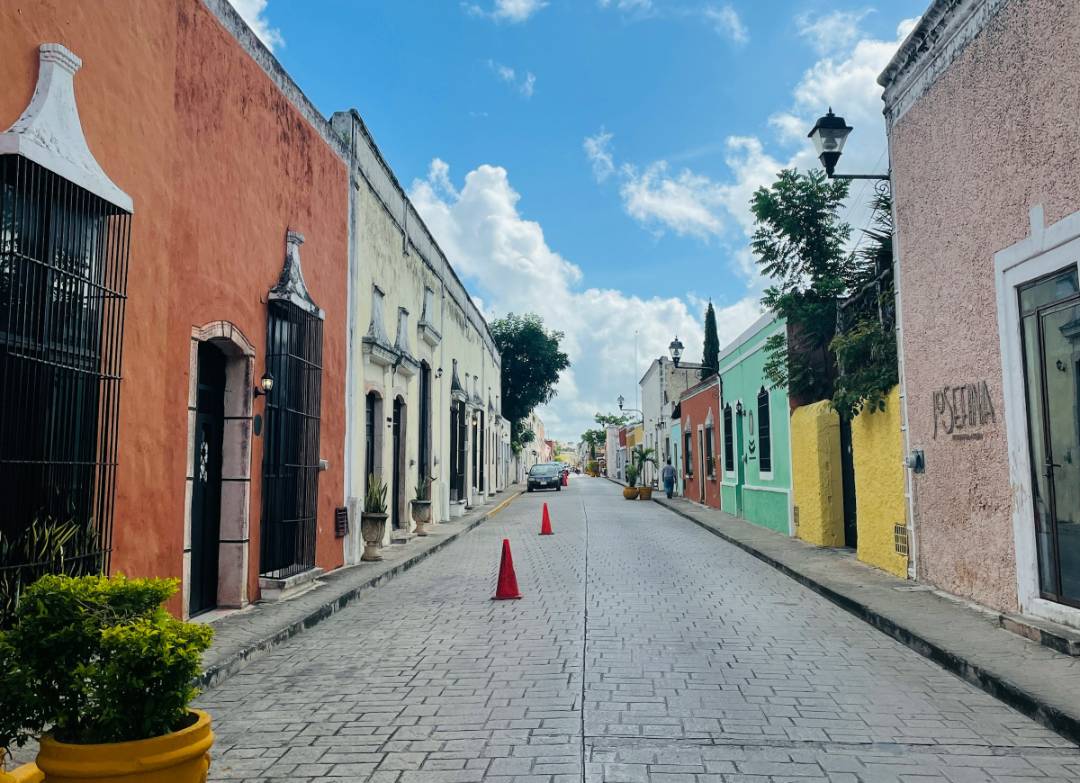
10. Valladolid
Valladolid gives you a walkable town base for cenotes and the eastern part of Yucatán. Explore Calzada de los Frailes and the area around the San Bernardino convent, then leave another part of the day for a cenote visit. Staying overnight lets you enjoy the streets after excursion groups leave instead of seeing the town only as a lunch stop.
Allow two days, with extra time if you want Chichén Itzá as well as the town. From Mexico City, fly to Mérida or Cancún and continue by bus or another road transfer. For the archaeological site, check the official Chichén Itzá visitor information: admission includes separate federal and Yucatán state charges, so a quoted federal price alone is not the full visitor cost.
11. San Cristóbal de las Casas
San Cristóbal offers a highland contrast to the warmer lowlands around Tuxtla. Walk through the central streets around the cathedral square, then explore towards Santo Domingo and its surrounding craft stalls. It suits travellers interested in textiles and a slower town stay, with time to look carefully at what they buy rather than moving between shops as part of a hurried excursion.
Give it two days, plus the time allocated to Sumidero if you visit the canyon from here. The practical gateway from Mexico City is a flight to Tuxtla Gutiérrez followed by a road transfer up to San Cristóbal. Bring a warmer layer for the highland evenings, and plan this as a chosen regional stay rather than a short stop on an assumed quick journey from Oaxaca to the Yucatán Peninsula.
How to Plan a Route Between Mexico’s Top Places
With seven days, spend three days in Mexico City and three based in Oaxaca, using one Oaxaca day for Hierve el Agua if nature is a priority. Leave the remaining day for the journey and departure arrangements. Choose a flight or a daytime intercity bus between the cities, and keep Monte Albán and Hierve el Agua on separate days if you visit both.
With 10 to 14 days, add a peninsula leg rather than every region in the list. At the longer end, combine three days in Mexico City, three around Oaxaca, two in Mérida, two in Valladolid and two on Isla Mujeres, leaving the remaining time for transfers. With ten days, omit Oaxaca or the island stay; Bacalar can replace Isla Mujeres if freshwater and a quieter lagoon base matter more than a beach.
If you prefer fewer flights, choose the western alternative of Mexico City, Guanajuato and Guadalajara, using buses between city stays where the timetable suits you. Flights are more useful when linking distant regions, and a transfer may involve different airports serving Mexico City, so check airport codes before booking. San Cristóbal and Sumidero make another regional pair; add them by removing another leg, rather than treating Chiapas as a quick stop between everything else.
On checkout days, leaving a Mexico City hotel at 11:00 can create a long gap before an evening flight or bus. Leave your bags with Qeepl and use those hours for lunch or a final neighbourhood walk. Storage starts from MX$73.90 per day, with booking and payment online only. Choose a location whose opening hours cover your planned collection time.
For the best weather, consider November to April as a starting point for the central city route, while checking conditions for your particular coast or highland stop. Summer rain can affect outdoor plans, and the Caribbean also needs attention to tropical weather during hurricane season. Our guide to the best time to visit Mexico City helps you choose dates for the capital before matching them to the rest of the route.
Mexico Tourist Attractions Compared
For a short first trip, pair Mexico City with Oaxaca and one nearby outdoor day. Choose the Yucatán Peninsula for a combination of smaller towns and water, or Guanajuato and Guadalajara for a western city route. The table compares all 11 places with access from Mexico City; airport transfers and local journeys need time beyond the main transport leg.
| Place | Best For | Days Needed | Getting There From Mexico City | Must See |
|---|---|---|---|---|
| Mexico City | Museums and neighbourhoods | 3-4 | Starting point | Historic centre, Anthropology Museum |
| Oaxaca | Markets and regional food | 3-4 | Fly, or direct bus about 6-8 h | Santo Domingo, Monte Albán |
| Mérida | Yucatán city base | 2-3 | Fly to Mérida | Plaza Grande, Paseo de Montejo |
| Guanajuato | Hillside streets and squares | 2 | Fly to Bajío, then road transfer | Teatro Juárez, Alhóndiga |
| Guadalajara | Murals and Jalisco food | 2-3 | Fly to Guadalajara | Museo Cabañas, Teatro Degollado |
| Hierve el Agua | Mineral cascades and views | 1 | Fly to Oaxaca, then road transfer | Stone formations, spring pools |
| Sumidero Canyon | Gorge views and boat trips | 1 | Fly to Tuxtla, then road transfer | Grijalva River, canyon viewpoints |
| Bacalar Lagoon | Freshwater and quiet days | 2-3 | Fly to Chetumal, then road transfer | Lagoon, San Felipe fort |
| Isla Mujeres | Island beaches | 1-2 | Fly to Cancún, then ferry | Playa Norte, Punta Sur |
| Valladolid | Cenotes and town walks | 2 | Fly to Mérida or Cancún, then bus | Calzada de los Frailes, convent |
| San Cristóbal de las Casas | Highland streets and textiles | 2 | Fly to Tuxtla, then road transfer | Cathedral square, Santo Domingo |