
Japan’s fast trains can take you from Tokyo’s station crowds to Kyoto’s temple streets in a little over two hours. Tokyo, Kyoto and Osaka make a strong first shortlist, while Hakone adds a lake and hot springs. The challenge is leaving enough time between journeys to enjoy the places you came for.
These are the best places to visit in Japan for a first trip of 7 to 14 days, grouped into five cities, four nature destinations and two smaller alternatives. Sample routes and a comparison table help you choose a manageable combination.
You do not need to visit every stop to have a varied trip. Choose a main rail corridor, add one outdoor destination and leave some mornings free of long-distance travel.
Best Cities to Visit in Japan
Tokyo suits neighbourhood exploration, Kyoto rewards early temple visits, and Osaka makes evenings around food an easy priority. Hiroshima offers a more reflective stop, while Kanazawa combines gardens and old districts on a different rail route from the classic Tokyo to Kyoto journey.
1. Tokyo
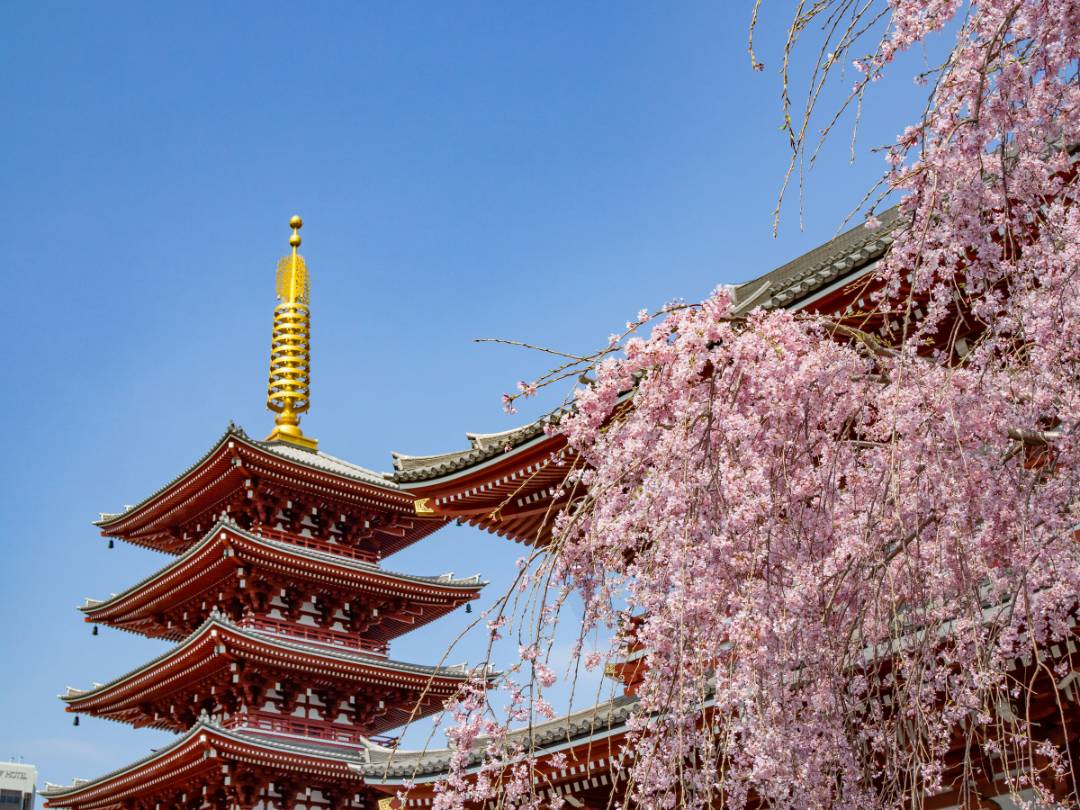
Tokyo works best as a collection of neighbourhood days. Pair Sensoji with the streets of Asakusa, then give another part of your stay to Meiji Jingu and Shibuya rather than crossing the city repeatedly. The contrast between temple approaches, wooded shrine grounds and busy commercial streets gives a first visit variety without needing a long list of observation decks.
Allow three or four days, with Tokyo as the starting point for the journeys below. Our guide to the most interesting places in Tokyo helps you choose extra stops once you have settled on a few areas. Stay near a useful railway or subway station, and keep your arrival day lighter than a full sightseeing day, especially after a long flight.
2. Kyoto
Kyoto suits travellers who enjoy walking between temples, gardens and older streets. Start with Kiyomizu-dera and the surrounding Higashiyama lanes, then visit Fushimi Inari on a separate outing. A few carefully chosen sites are more rewarding than racing across the city to collect temple entrances, particularly when the popular approaches are busy.
Give Kyoto three days. Direct Nozomi trains from Tokyo take about two hours and 15 minutes; other services take longer, so check the train type when comparing journeys. Use our guide to Kyoto’s temples and shrines to narrow the choices, and start one morning early rather than expecting the busiest lanes to be quiet in the middle of the day.
3. Osaka
Osaka makes sense if food and lively evenings are as important to you as daytime sightseeing. Dotonbori is the obvious evening walk, while Osaka Castle Park and the streets around Shinsekai offer different daytime outings. You can build the day around one main sight and leave room to choose dinner after seeing what interests you on foot.
Allow two days, or visit from a Kyoto base if changing hotels would cost more time than it saves. Direct Nozomi trains from Tokyo reach Shin-Osaka in about two and a half hours, but you still need a local train or subway for central neighbourhoods. Book accommodation around the places where you want to spend evenings, rather than assuming that staying beside the shinkansen platforms puts you in the sightseeing centre.
4. Hiroshima
Hiroshima deserves time for the Peace Memorial Park, Atomic Bomb Dome and Peace Memorial Museum without rushing to another city afterwards. The museum is a demanding visit, so leave space in the day to pause and walk by the river. An evening meal of Hiroshima-style okonomiyaki offers a separate introduction to the city’s everyday life beyond its memorial sites.
Stay one or two days, adding another day if Miyajima is part of your plans. Direct Nozomi services from Tokyo take about four hours, making Hiroshima a more comfortable overnight stop than a day trip from the capital. If you are travelling west through Kansai, visit after Kyoto or Osaka and check museum ticket arrangements before deciding how much of your arrival day to spend there.
5. Kanazawa
Kanazawa is a good choice if gardens and traditional streets matter more than another large entertainment district. Walk through Kenrokuen, explore the wooden-fronted buildings of Higashi Chaya and leave time for a meal around Omicho Market. The city gives you several substantial outings without the scale of Tokyo, though the sights are spread beyond the immediate station area.
Plan two days. Direct Hokuriku Shinkansen services from Tokyo take about two and a half hours; continuing to Kyoto requires a change at Tsuruga, as shown in the official Kanazawa access guide. Treat Kanazawa as a deliberate alternative route into Kansai, and check your connections before adding Takayama as well, since extra mountain travel changes the pace of the trip.
Most Beautiful Places in Japan for Nature Lovers
Japan’s outdoor destinations need more seasonal planning than its city streets. Hakone and Nikko offer accessible outings from Tokyo, Miyajima fits a western route, and Kamikochi requires both an open travel season and time for mountain transport.
6. Hakone
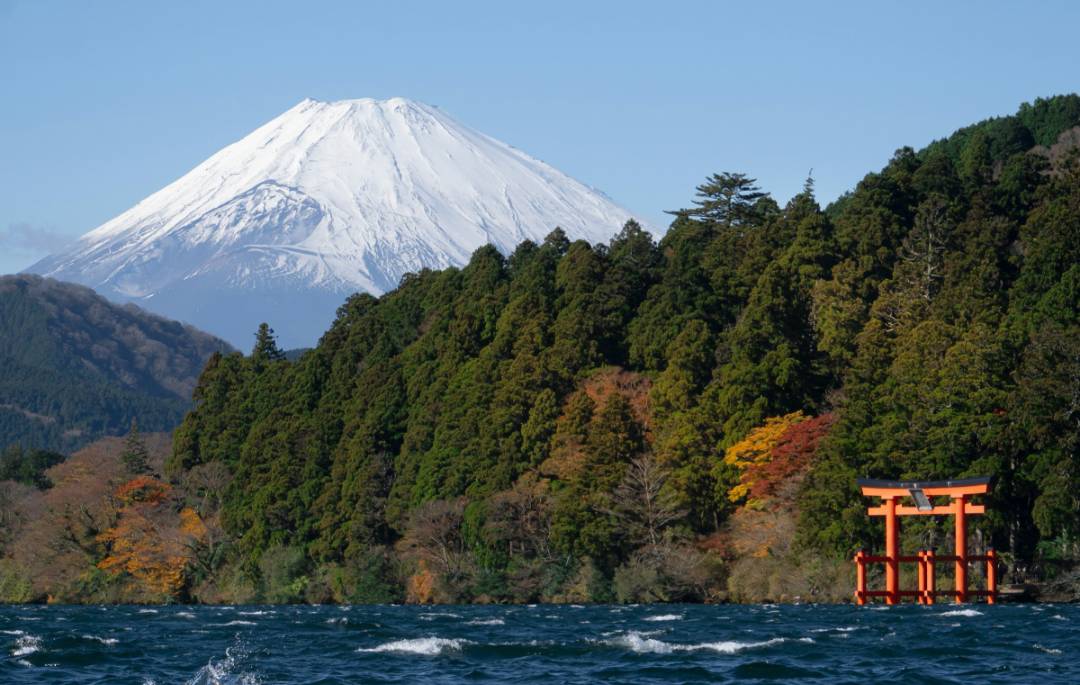
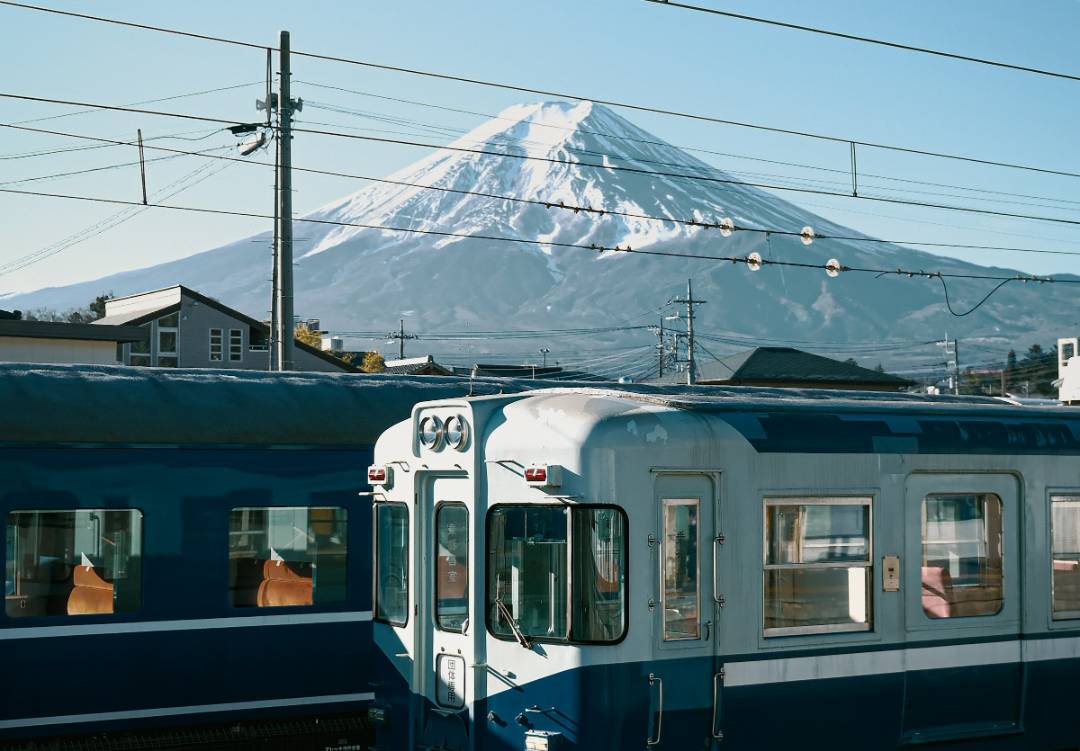
Hakone suits a first overnight stay outside the main cities, with hot springs and Lake Ashi as the focus. Choose a lakeside walk, a sightseeing boat or the mountain railway according to the weather and where you are staying. Mount Fuji is sometimes visible, but a clear view should be a bonus rather than the only reason for coming.
Allow one or two days. Direct Romancecar services from Shinjuku to Hakone-Yumoto take roughly an hour and a half, followed by local transport for the lake and mountain areas. Spring and autumn suit outdoor exploring, but check the day’s ropeway and boat operations before planning a full circuit; an overnight stay gives you more flexibility than squeezing every connection into a day trip.
7. Kamikochi
Kamikochi offers mountain scenery without requiring a summit climb. Start around Kappa Bridge and walk beside the Azusa River, choosing a route length that suits the weather and your arrival time. The valley paths give you river views and wooded stretches, while the surrounding peaks remain the backdrop to an ordinary walking day rather than a mountaineering objective.
Plan one full day, with a night nearby or in the valley if your budget allows. From Tokyo, travel towards Matsumoto, then connect through Shin-Shimashima by train and bus; private cars cannot enter the valley. The official Kamikochi FAQ confirms the seasonal closure of buses and facilities from November 16, so plan an ordinary first visit between mid-April and mid-November and check opening dates for your travel year.
8. Miyajima
Miyajima combines a wooded island with the shoreline setting of Itsukushima Shrine and its offshore torii gate. Walk beyond the ferry area towards Daishoin for a different part of the island, then return along the waterfront. Check the tide if the gate is your main photographic goal: high and low water produce very different views.
Give the island one day, or stay overnight for a less hurried evening. From Hiroshima, take a local train to Miyajimaguchi in about 30 minutes and then a ferry of about 10 minutes, allowing extra time for the transfer. In 2026 the standard JR ferry fare is about ¥200 each way for an adult, with a separate ¥100 visitor tax on entry, as listed on the operator’s current fare page.
9. Nikko National Park
For a nature-focused Nikko visit, continue beyond the town to Lake Chuzenji and Kegon Falls. A short lakeside walk and the waterfall viewpoints give you a manageable outing without committing to a mountain ascent. This is a different day from a tightly packed tour of Nikko’s shrines, so decide which part of the area matters most before leaving Tokyo.
Allow one or two days. Limited express trains from Tokyo’s Asakusa area reach Nikko in about two hours, with onward buses taking roughly 50 minutes to the lake area. Summer offers relief from city heat and autumn brings colourful foliage, but busy roads can delay buses; leave room for the return journey rather than booking your last connection immediately after a distant walk.
Must See Places in Japan Beyond the Big Names
Takayama and Kurashiki are established destinations, but they often fall outside a short first itinerary. Takayama needs a mountain detour, while Kurashiki is easier to add along the rail corridor between Kansai and Hiroshima.
10. Takayama
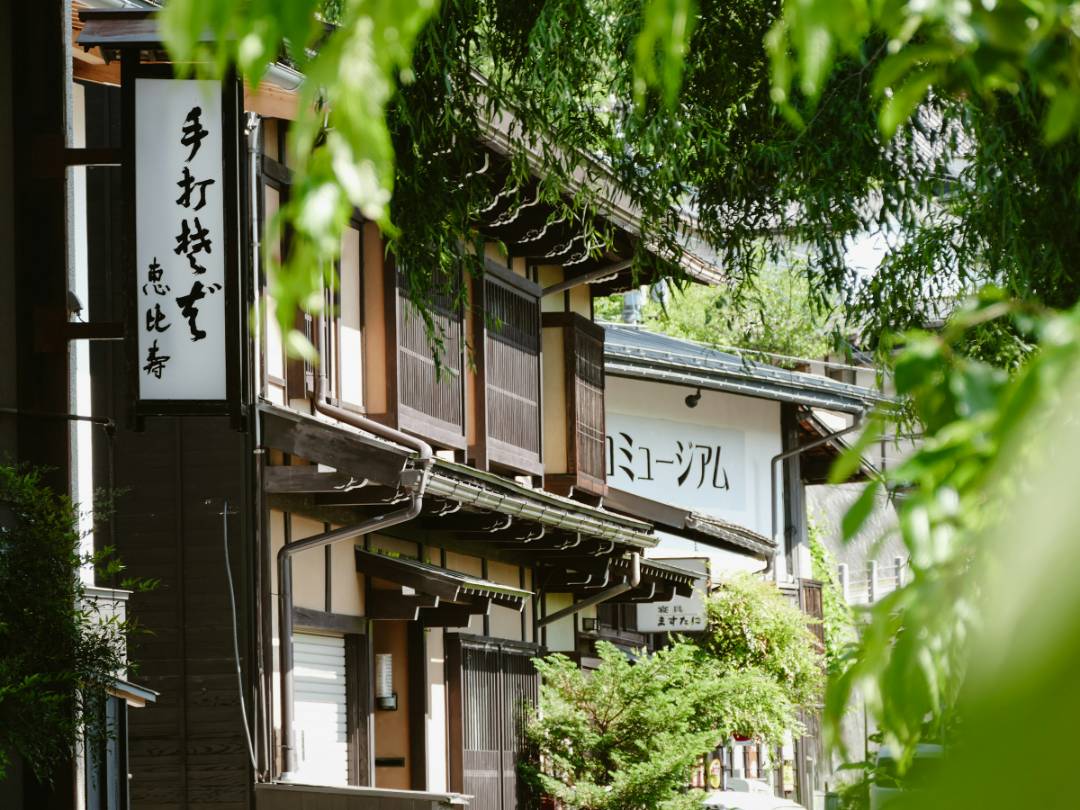
Takayama suits travellers who want a smaller centre with traditional wooden buildings and time for local food. Explore the Sanmachi district, then choose the morning markets or Takayama Jinya to fill out the visit. Walking the old streets is part of the appeal, so avoid arriving with only a brief gap before your onward train.
Stay one or two days. A straightforward rail approach from Tokyo goes through Nagoya, where the limited express journey to Takayama takes roughly two and a half hours on its own. Add the shinkansen leg and connection time when planning your day, and keep Takayama as a selected detour rather than automatically combining it with Kanazawa and Kamikochi in a short holiday.
11. Kurashiki
Kurashiki’s Bikan Historical Quarter has willow-lined water, white-walled former warehouses and small streets that reward an unhurried walk. The Ohara Museum of Art adds an indoor visit if you want more than a canal stroll, though its annex is closed long term. It is a useful choice when you would like a smaller historic centre between the larger cities of western Japan.
One full day works, with an overnight stay if you prefer a quieter evening after day visitors leave. From Tokyo, take the shinkansen to Okayama and continue on a local train to Kurashiki; the historical quarter is about a ten-minute walk from the station. On a westbound itinerary, stop before Hiroshima and check museum opening days before making a specific collection the main reason for your visit.
How to Plan a Route Between Japan’s Top Places
With seven days, spend three days in Tokyo, three in Kyoto and the final day in Osaka, including the journey west within that schedule. Fly into Tokyo and home from Kansai if possible, keeping the route in one direction. If an overnight hot-spring stay matters more than another city day, exchange a Tokyo day for Hakone instead of adding another stop to the week.
With 10 to 14 days, build on that route with one night in Hakone and two days based in Hiroshima, including Miyajima. Use extra time for Kurashiki on the way west or give Tokyo and Kyoto another day each. For gardens and smaller towns, choose an alternative Tokyo to Kanazawa to Kyoto route, adding Takayama only if you remove time elsewhere; Kamikochi and Nikko work better as selected outdoor alternatives than compulsory additions.
If you travel by train, compare individual tickets with a rail pass after choosing the route. A standard Japan Rail Pass requires an additional special ticket for Nozomi services, so the fastest times quoted here do not automatically apply to a pass-only journey. Reserve important long-distance legs and check local connections separately, especially when a mountain bus or ferry determines your arrival time.
On checkout days, leaving a Tokyo hotel at 11:00 can create a long gap before an evening train or flight. Leave your bags with Qeepl and use those hours for lunch or a final neighbourhood walk. Storage starts from ¥599 per day, with booking and payment online only. Choose a location whose opening hours cover your planned collection time.
For the best weather, consider spring or autumn for the main city route, allowing for crowded blossom and foliage periods. Summer can be hot and humid in the cities, while winter changes access to mountain destinations. Our guide to the best time to visit Tokyo helps you choose dates for the capital before matching them to an outdoor stay.
Japan Tourist Attractions Compared
For a short trip, choose Tokyo and Kyoto with either Osaka or a Hakone overnight stay. Add Hiroshima and Miyajima for a longer western route, or choose Kanazawa when gardens and traditional districts are your priority. The table compares all 11 places, with access from Tokyo; train times vary by service and exclude onward local travel unless stated.
| Place | Best For | Days Needed | Getting There From Tokyo | Must See |
|---|---|---|---|---|
| Tokyo | Neighbourhoods and city walks | 3-4 | Starting point | Sensoji, Meiji Jingu, Shibuya |
| Kyoto | Temples and older streets | 3 | Direct Nozomi, about 2 h 15 min | Kiyomizu-dera, Fushimi Inari |
| Osaka | Food and evening walks | 2 | Direct Nozomi to Shin-Osaka, about 2.5 h | Dotonbori, Osaka Castle Park |
| Hiroshima | Memorials and modern history | 1-2 | Direct Nozomi, about 4 h | Peace Memorial Park, museum |
| Kanazawa | Gardens and historic districts | 2 | Direct shinkansen, about 2.5 h | Kenrokuen, Higashi Chaya |
| Hakone | Lake views and hot springs | 1-2 | Direct train from Shinjuku, about 1.5 h to Hakone-Yumoto | Lake Ashi, mountain railway |
| Kamikochi | Mountain valley walks | 1 full day | Train to Matsumoto, then local train and bus | Kappa Bridge, Azusa River |
| Miyajima | Island walks and shrine views | 1 | Train to Hiroshima, then local train and ferry | Itsukushima Shrine, Daishoin |
| Nikko National Park | Lake walks and waterfalls | 1-2 | Train about 2 h, then bus about 50 min | Lake Chuzenji, Kegon Falls |
| Takayama | Wooden streets and local food | 1-2 | Train via Nagoya; onward limited express about 2.5 h | Sanmachi, morning markets |
| Kurashiki | Canal streets and art | 1-2 | Shinkansen to Okayama, then local train | Bikan quarter, Ohara Museum |