
The boat leaves early, the guide prepares the equipment, and someone asks how long until the first fin appears. The answer changes with the coast, species and month: a whale shark encounter at the surface has little in common with a dive to observe bull sharks.
To swim with sharks in Mexico, choose the experience before choosing the dates. Holbox, Isla Mujeres and La Paz offer whale shark snorkeling trips in different seasons; Playa del Carmen has seasonal bull shark diving. Cabo Pulmo deserves a diving trip, although shark encounters are not guaranteed.
Where Can Travelers Swim with Sharks in Mexico?
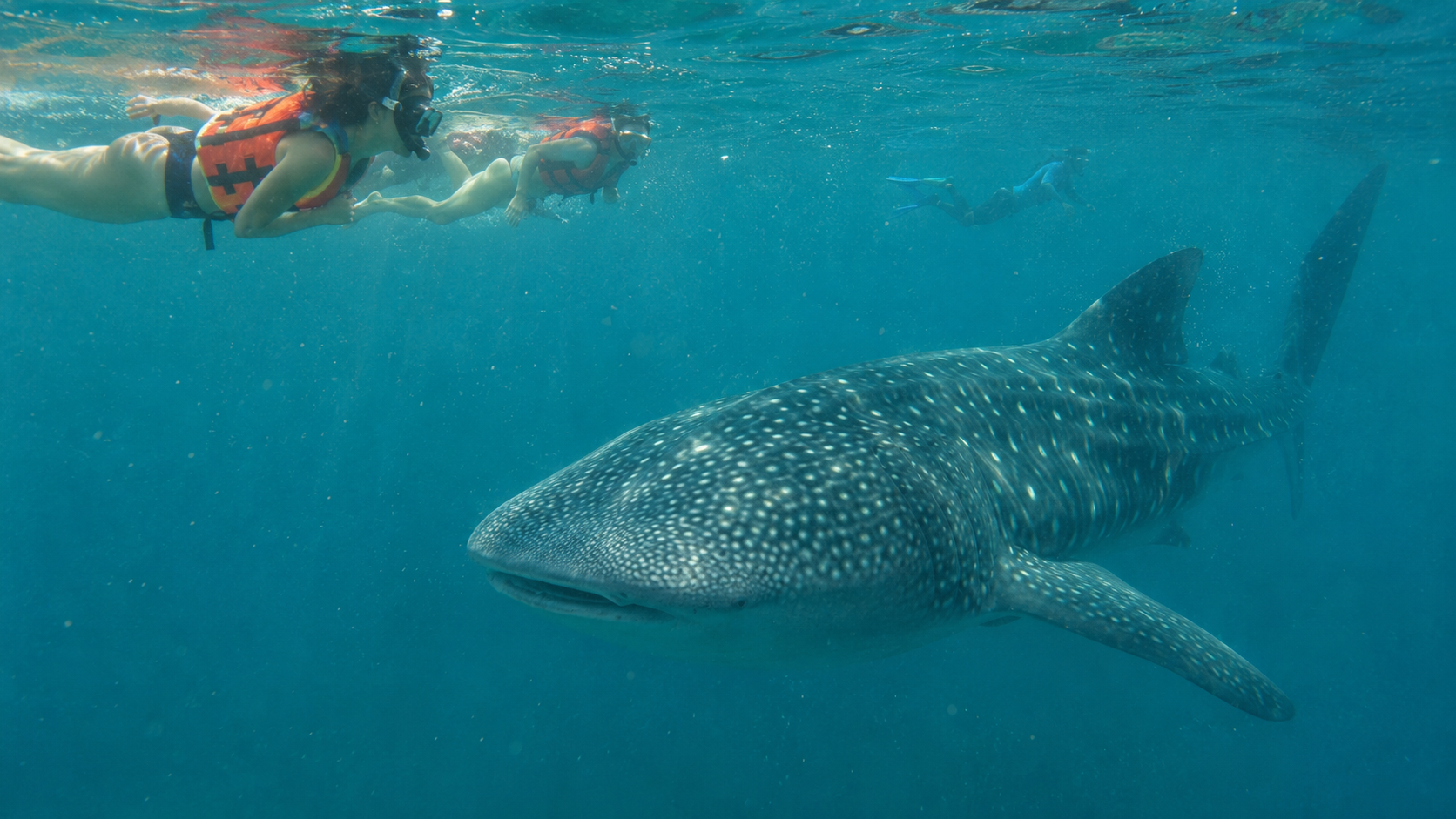
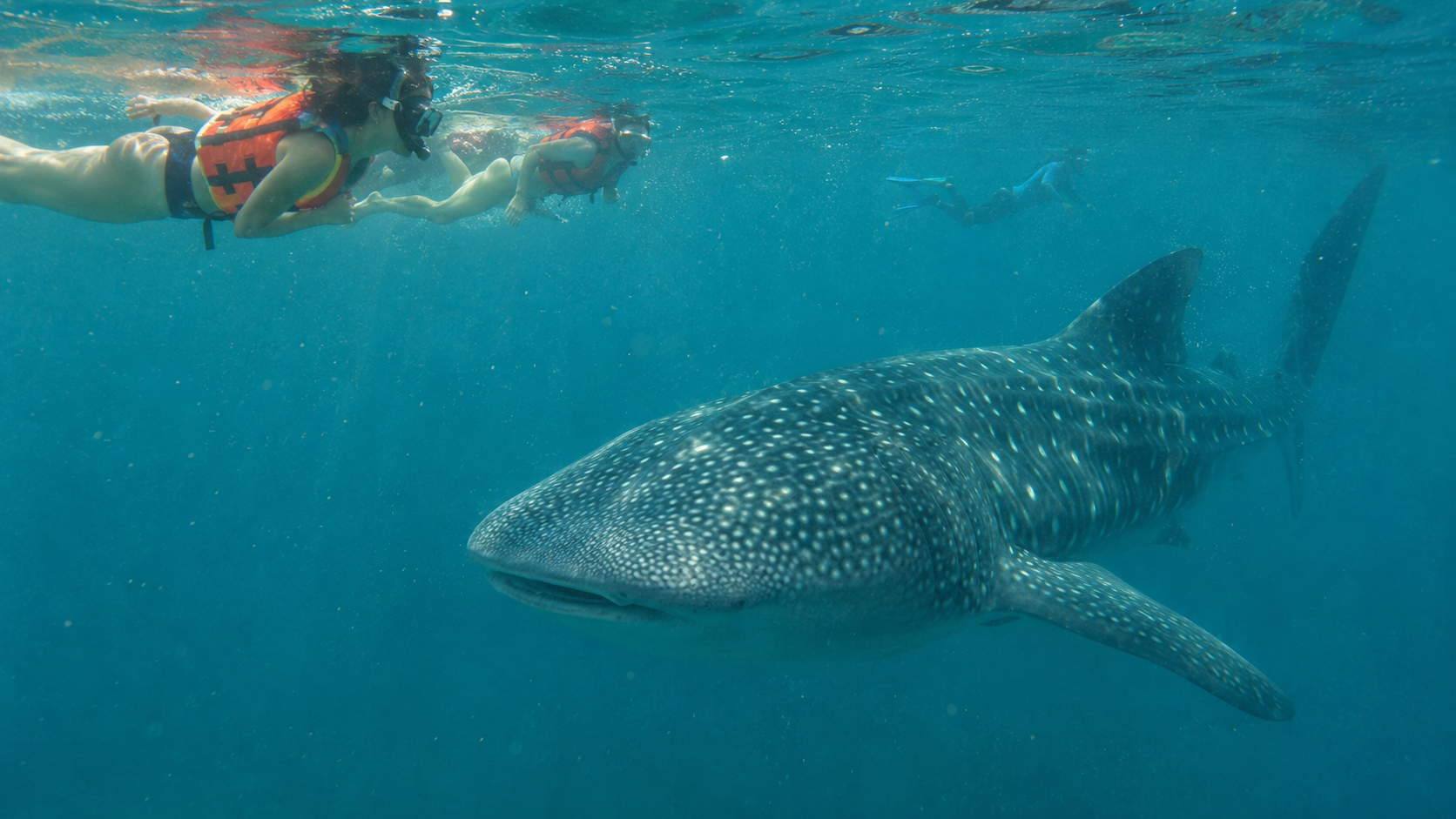
Whale sharks are the option for visitors who want to observe from the surface without scuba certification. Bull sharks require different preparation: certification, suitable experience and an assessment by the dive center before entering the water.
| Destination | Species and Activity | Typical Season | Preparation | Example Price per Person |
|---|---|---|---|---|
| Holbox and Isla Mujeres | Whale shark, guided snorkeling | May-September; confirm commercial dates | Swimming ability and confidence in open water | From Holbox, Holbox Travel lists 3,200 MXN |
| La Paz, Baja California Sur | Whale shark, guided snorkeling | October-April; opening depends on authorization and animal presence | Swimming ability and following the guide | Baja Adventure Co. lists 3,200 MXN |
| Playa del Carmen | Bull shark, scuba diving | Usually November-March | Certification and experience assessed by the center | Xico lists 3,000 MXN for two dives; rental equipment costs extra |
| Cabo Pulmo | Reef diving with possible shark encounters | Depends on conditions and available sites | Certification for the diving program described | Dive Nagual lists 3,200 MXN for two dives for certified divers |
These figures cover specific programs rather than a standard destination rate. Before comparing, check equipment, access fees, transfers, number of dives and cancellation terms; a snorkeling trip and two scuba dives are different products.
Location also changes the trip. Cancún Airport is an arrival point for the Caribbean coast; La Paz and Cabo Pulmo are in Baja California Sur and require a separate part of the itinerary. Choosing one region as a base leaves more flexibility to reschedule if sea conditions change the plan.
Whale Sharks: The Mexican Caribbean or La Paz Bay
The whale shark calendar changes from one coast to the other. In the Mexican Caribbean, activity is concentrated in summer, while La Paz has a usual autumn-to-spring window; a booking must match the authorized area and season.
Holbox and Isla Mujeres: Summer Departures
The excursion starts aboard a boat and continues in open water, where the group enters following the guide. Staying on an island does not mean finding sharks just off the beach: the route depends on the animals’ location and sea conditions.
Holbox Travel advertises its shared departure from June to September, lasting around seven hours and priced at 3,200 MXN. The listing is intended for guests staying on Holbox; pickups from other locations must be confirmed as a different service. Return times can vary with the weather at sea.
For departures from Isla Mujeres, confirm the exact dock and whether the price includes hotel transfers. An advertised pickup from Cancún does not necessarily mean boarding on Isla Mujeres, and arranging a ferry independently without checking can add an unnecessary journey.
If the route passes through Cancún’s ADO bus station, arrange the island transfer before committing to a very early departure. During a change of accommodation, international luggage storage service Qeepl allows bags to be stored from MX$100 per day per item while the journey continues with a backpack. Booking and payment are online; the location’s opening hours must allow collection after returning.
La Paz: An Autumn-to-Spring Season
La Paz offers whale shark swimming in a regulated area of its bay. October-April is a seasonal guide, but the actual opening depends on authorization and the presence of animals. Arriving in November does not guarantee that trips are already available.
Baja Adventure Co. lists 3,200 MXN per person for its whale shark program and separately offers a combination with other activities. Ground transport may cost extra. Before paying, confirm the minimum number of participants, inclusions and assigned time slot rather than assuming every package has the same duration.
Swimming at the surface still requires confidence in the water. A life jacket helps with flotation but does not replace comfort in open water or the ability to follow the guide; minimum ages and accompaniment requirements for children must be checked for the chosen program.
Bull Sharks: What Changes in Playa del Carmen and Cabo Pulmo
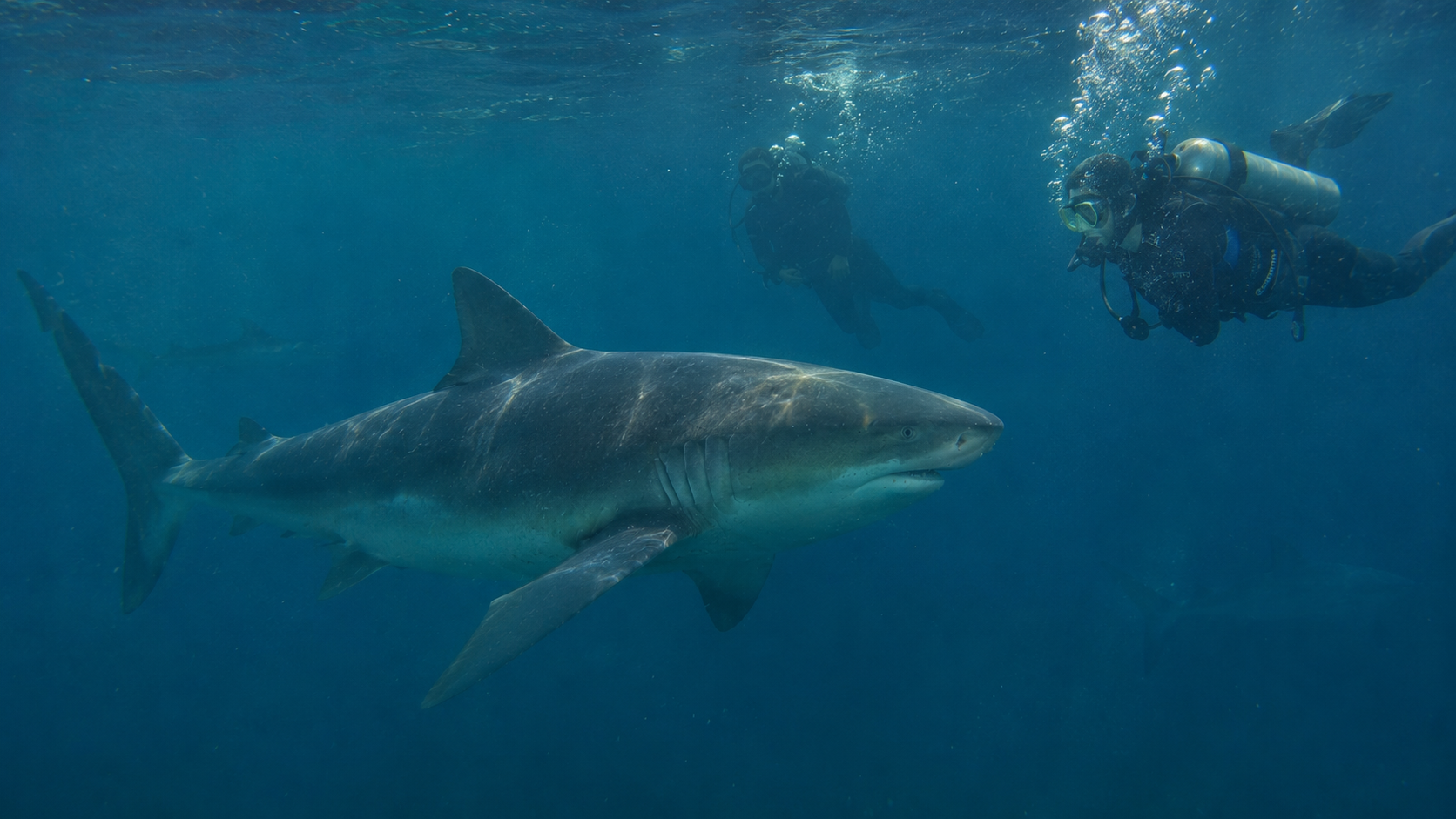
Bull shark diving should be chosen according to the dive profile and the participant’s experience. Certification, recent diving and buoyancy control matter as much as the season; an attractive photograph does not explain the site’s conditions.
Playa del Carmen: Diving for Certified Divers
The usual season runs from November to March, although each center sets its operating dates. Xico Dive Center’s observation trip combines one bull shark dive without feeding and another on a local reef. Its 3,000 MXN price excludes recreational rental equipment, listed separately at 500 MXN per day.
The center requests Open Water or equivalent certification and assesses experience before confirming. Divers with 25 logged dives or fewer must complete a check dive beforehand; passing it does not mean automatic acceptance. Site conditions and the guide’s assessment still determine whether the activity is suitable.
The briefing establishes the group’s position, communication and behavior. Taking a camera only makes sense if operating it allows buoyancy and attention to be maintained: losing position to frame a photograph can spoil the observation and compromise the dive.
Cabo Pulmo: Reefs and Regulated Observation
Cabo Pulmo has different rules for scuba diving, snorkeling and swimming. The park’s responsible visitor guide distinguishes shark observation during regulated scuba diving from swimming with sharks, which is prohibited both on tours and from shore. Searching for animals independently after leaving the beach is not appropriate.
The diving described in the guide requires certification and an accredited guide. Sites are selected according to conditions and availability, so a reef booking does not ensure a particular bull shark dive. The day also offers the chance to observe the reef and schools of fish without pursuing wildlife.
As a budget example, Dive Nagual lists 3,200 MXN for certified divers for two dives, including equipment, park admission, guide and boat. Transport to the village must be clarified when booking. A participant’s level must match the chosen site, even when a general package advertises several options.
What About Great White Sharks at Isla Guadalupe?
Isla Guadalupe is not an available tourist destination for observing great white sharks. CONANP’s current listing states that visits are not permitted under the management program published in January 2023. This restriction affects plans to book a recreational cage-diving expedition.
Photographs of previous expeditions still circulate, but they do not confirm an authorized departure. An agency must establish that an activity can legally take place before taking a booking payment; an old itinerary or a waiting list does not amount to a permit.
The differences between species also mean that one trip cannot replace another without reviewing the activity. Great whites in a cage, whale sharks at the surface and bull sharks during scuba dives require different conditions. Arranging an available experience means choosing the destination, season and level of preparation again.
How to Choose a Responsible Tour and Prepare for Departure
Selection begins before boarding the boat. A responsible operator can explain which authorization covers the activity, who accompanies the group and what happens if the port closes or no animals are found.
What to Check Before Paying
A useful booking puts the actual program and its terms in writing. These points help compare offers that share a shark photograph but may include very different services.
- Authorization for the relevant activity, vessel and area, where applicable.
- Meeting point, included transfers and the time the group must be ready.
- Certification, experience, age and participation requirements for that particular program.
- Total price, equipment, fees, taxes and any preliminary assessment activities.
- Procedure for bad weather, port closure, cancellation or a lack of sightings.
- Group size, supervision in the water and a safety explanation before departure.
Rules for Entering the Water
Whale shark swimming is subject to NOM-171-SEMARNAT-2018 and the conditions of the authorized area. One park’s instructions should not automatically be applied elsewhere, particularly regarding visitor limits and flotation equipment.
- Enter only when instructed by the guide and respect the group’s turns.
- Keep the required distance without touching the animal, pursuing it or blocking its path.
- Use the required flotation equipment throughout the surface activity.
- Do not offer food or use attractants to encourage animals to approach.
- Observe local restrictions on photography, flash and propulsion devices.
For a snorkeling excursion, pack swimwear, clothing that covers skin from the sun, water, a towel and a dry change of clothes. Check sun protection with the operator: a product labeled biodegradable is not necessarily permitted in every area.
How to Arrange Luggage, Transfers and the Flight Home
A marine excursion needs flexibility for changes to the port, navigation and return. For Holbox or Isla Mujeres, sleeping near the departure point and keeping another possible date is more practical than trying to arrive from far away that same morning. Large luggage should stay ashore, with only the items needed for the activity in the boat bag.
After scuba diving, the flight schedule limits the itinerary. For divers without symptoms, DAN recommends at least 12 hours before flying after a single no-decompression dive and at least 18 hours after multiple dives in one day or diving over several days. Dives requiring decompression stops need a longer interval; these minimum recommendations do not guarantee an absence of risk.
Count the interval from the final dive to the first flight, even if it is a connection to Mexico City Airport. The dive center and dive computer may require a longer wait. Symptoms after diving require medical attention rather than boarding a flight.
Surface snorkeling is planned differently from a compressed-air dive, but a long excursion should still not be paired with a tight flight connection. The return to port, luggage collection, transfer and time at the airport must all be arranged first. An additional night can provide flexibility for sea conditions or a rest before traveling.
For the journey home, a dry change and comfortable clothing for long flights are more practical than traveling in damp swimwear. Final confirmation with the operator should include the meeting point, departure status and the equipment that actually needs to be brought along.